Skip to content

ajhlovestheatre

  • Home
  • About
  • Contact
  • Blog

  • & JULIET – ⭐️⭐️⭐️⭐️⭐️⭐️ – no, not five stars, more…because ‘I want it that way‘

    Photograph by Johan Persson

    & JULIET

    Music and lyrics by Max Martin

    Book by David West Read

    Directed by Luke Sheppard

    Shaftesbury Theatre – open ended run

    https://tixtrack.shaftesburytheatre.com/tickets/series/andjuliet/

    A musical that riffs on Shakespeare while plundering the back catalogue of one of the most successful and prolific songwriters in pop history (Max Martin, who is only not a household name because he prefers the spotlight to be on the interpreters of his work: Backstreet Boys, Britney, Celine, Katy Perry, even Pink and Bon Jovi….you’ll have heard of them) was always destined to be either a car crash or a triumph. & Juliet joyously and thrillingly inhabits the latter camp (and I use the word “camp” deliberately). Throw in Luke Sheppard, a director equally at home with detailed sensitivity and balls-to-the-wall flamboyance, one of the writers of Schitts Creek in David West Read, a music video-savvy choreographer (Jennifer Weber), a cast of diverse, beautiful and supremely talented humans, and a quirky but world class design team working at the height of their abilities, and you’ve got theatrical ecstasy.


    Of course & Juliet is a heck of a lot of fun, a gorgeous confection packed with sensational performances, rousing numbers, good/bad jokes and enough baubles, bubbles and flash to induce a migraine in those who prefer their theatre stuffy and formal. But what may come as a surprise is how intelligent and moving it also is: a witty brain, a genuine affection for the works of the Bard of Avon, and a warm, kind heart lurk just beneath its glittering exterior. The pandemic seems only to have upgraded its exhilaration and deepened its well of feeling….and it was pretty damn special to begin with.


    Taking as it’s starting point the idea that Shakespeare’s Juliet didn’t swallow the poison when she thought Romeo was dead but got the hell out to wreak some havoc of her own, abetted by a disapproving nurse with an outrageous past of her own and a pair of best friends who egg her on while challenging her world view, it’s an anachronistic, primary coloured fantasia where sexuality, gender, body shape, even fidelity, are of zero importance compared to being true to oneself while not being an arsehole to everybody else. It’s full of attitude but equally full of love: the inclusivity and sheer joie de vivre it espouses is just what we all need after the last nineteen months.


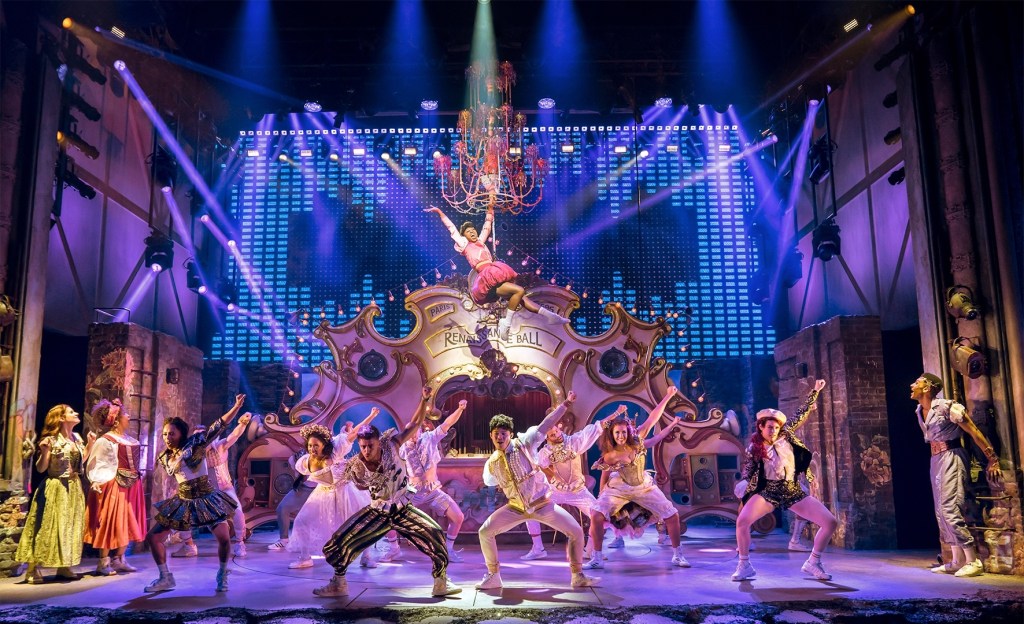
    It’s also probably the prettiest spectacle you’ll ever clap eyes on (sets by Soutra Gilmour, costumes by Paloma Young, lighting by Howard Hudson, video and projection by Andrzej Goulding): a breathtakingly inventive parade of colour and whimsy that whisks the players from a mythical Paris complete with twinkling mini-Eiffel Tower and dry ice obscured Metro signs to a fairground ride eyrie suffused with twinkling stars while also evoking the idea of being backstage during a work in progress (the ensemble are characterised as Shakespeare’s acting company working on a troubled first draft of Romeo & Juliet). This rolling buffet of visual delight is further enhanced by Gareth Owen’s sound design which skilfully marries the gap between rock stadium rambunctiousness and making the characters sound like real people. Dominic Fallacaro’s orchestrations help enormously with this too, making the pop classics sound familiar yet excitingly new minted.


    When the show closed due to the pandemic, Miriam-Teak Lee had already won the WhatsOnStage award for Best Actress in a Musical but since then she’s also been handed the Olivier and in, in all honesty, it’s impossible to quibble. Her Juliet is the real deal: an authentic star performance, with killer vocals, a wicked sense of fun and a tangible warmth, she’s utterly fabulous. It’s watching a diva just before she goes supernova.


    The beating heart of the show though is Cassidy Janson as Anne, Shakespeare’s increasingly infuriated and disaffected spouse (“there’ll never be another Anne Hathaway”). Already multi-layered when the show opened, she has now acquired a greater lightness of touch, and an emotional urgency that proves deeply affecting. Her tear-stained rendition of Celine Dion’s ‘That’s The Way It Is’ is the stuff of memories, vocally enthralling and emotioally devastating. Oliver Tompsett’s cocky but charming Shakespeare is the perfect foil.


    Melanie La Barrie’s adorable Nurse also challenges the tear ducts with a roof raising version of Pink’s ‘Perfect’. Prior to that she is a comic joy…her rapport with David Bedella’s hilarious nobleman is utterly glorious. Their post-coital sass-ation of Katy Perry’s ‘Teenage Dream’ is one of the happiest things currently on any London stage.


    Jordan Luke Gage remains heroically vacuous and vocally exhilarating as the Romeo we never knew we needed: wait til you see his entrance at the end of act one…it’s pure showbiz meets rock excess. Tim Mahendran is as haunting as he is funny and cute as Bedella’s conflicted son, a sort of anti-Romeo trying to constantly to do the right thing even to his own detriment, and fields a truly exhilarating voice. Alex Thomas-Smith is just beautiful as his love interest May. If I missed the majesty and bruised emotionalism of Arun Blair-Mangat, the role’s originator, I loved the sensitivity and authenticity Thomas-Smith brings. This is a terrific cast.

    In short, when the term “a great night out” is bandied about, & Juliet is exactly what people are talking about: a thunderously exciting songbook tethered to a delightful script with a resource of tangible talent that’s almost an embarrassment of riches. I’m already planning my next visit and I hope to see you there.
    October 7, 2021

  • HOW TO SURVIVE AN APOCALYPSE- ⭐️⭐️⭐️- UK première for an award-winning Canadian play

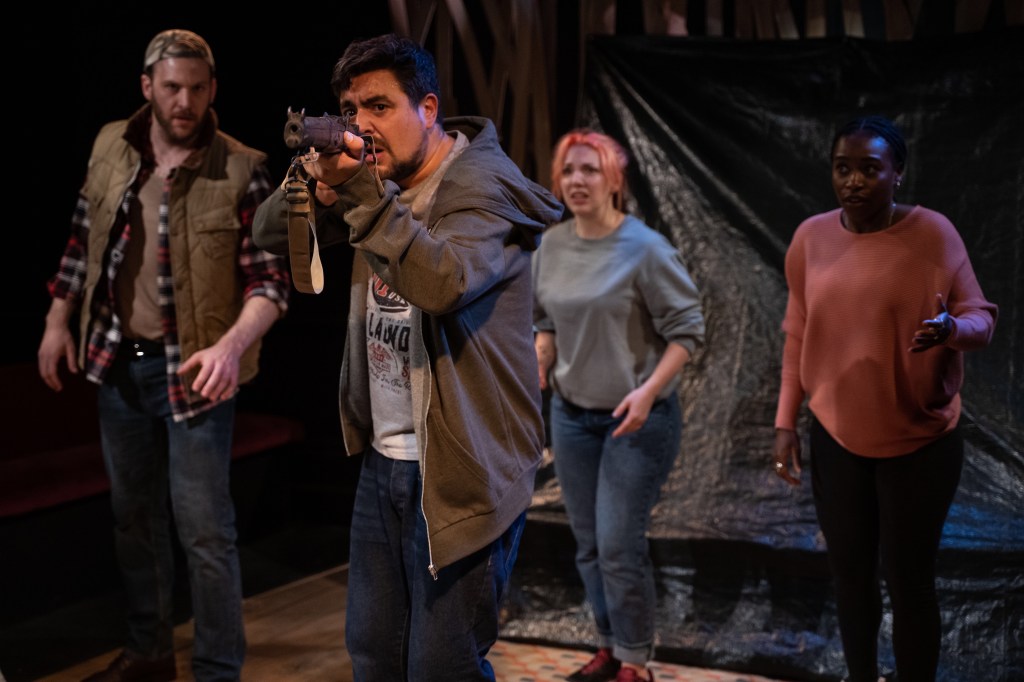
    Photograph by Sam Taylor

    HOW TO SURVIVE AN APOCALYPSE

    by Jordan Hall

    Directed by Jimmy Walters

    Finborough Theatre – until 23 October 2021

    https://finboroughtheatre.co.uk/production/how-to-survive-an-apocalypse/#production-tickets-times

    It’s a treat to finally get back to the snug but ambitious Finborough, one of the capital’s most consistently impressive studio theatres. Kudos to them for forging ahead with reopening even while the pub downstairs is under major refurbishment. This may mean less woozy playgoers tripping inelegantly up those treacherous stairs, but the current production, Jordan Hall’s multi-award winning Canadian comedy in a smart staging by Jimmy Walters, is so engaging you don’t really need a glass of overpriced wine to enhance your experience.

    Hall’s tartly funny script, which reframes a lot of rom-com tropes in the context of a youngish urban couple Jen and Tim making preparations for the “end of days” while also examining their relationship and somewhat disappointing career trajectories, has probably, since it’s 2016 Vancouver premiere, acquired an added piquancy for these Covid-ravaged times.

    It’s an enjoyable evening, superbly acted on Ceci Calf’s elegantly off-kilter traverse set, but not perhaps as edgy as one might have expected from the play’s title or even the poster design for this London production: a cartoon drawing of a wedding day couple in gasmasks. Although billed as a romantic comedy in the publicity material, it still feels akin to writing a play about shopping and calling it something like ‘How Capitalism Destroyed The Western World’. Still, Hall’s dialogue accurately captures the rhythms and cadences of modern urbanites and wittily suggests that, for all of our sophistication, most of us would come apart at the seams in a real threat to civilisation. It becomes a little schmalzy though as the central couple fall out then regroup, and Jen is briefly drawn to Bruce, the gung-ho corporate macho man she had tried to set her New Age leaning, fragile friend Abby up with.

    Only one scene, where the women have a fairly intense conversation about matters of the heart, loudly punctuated by the sounds of offstage explosions and horrendous violence (Tim writes apocalyptic computer games for a living and is trying out a new creation at home) feels truly original. Elsewhere there are few genuine surprises.

    The actors are all terrific though. Kristin Atherton is a powerhouse of go-getting professional energy mixed with tremulous personal uncertainty, in a seriously accomplished, dynamic performance as Jen, matched by a hugely likeable Noel Sullivan as her infinitely less ambitious, permanently bewildered partner. Christine Gomes and Ben Lamb also do superlative work, suggesting multiple layers and shading to the other pair, both of whom could come off as a bit clichéd in lesser hands.

    The concepts of order collapsing and survival at all costs, while also attempting to maintain some vestiges of chi chi living, feels uncomfortably relevant, despite the steady flow of laughter, plus it’s good to discover a talented new writer, especially when her work is given as fine a UK premiere as this one. Welcome back Finborough, you’ve been missed.

    October 4, 2021

  • IDA RUBINSTEIN – The Final Act – ⭐️⭐️- A frustrating theatrical hybrid

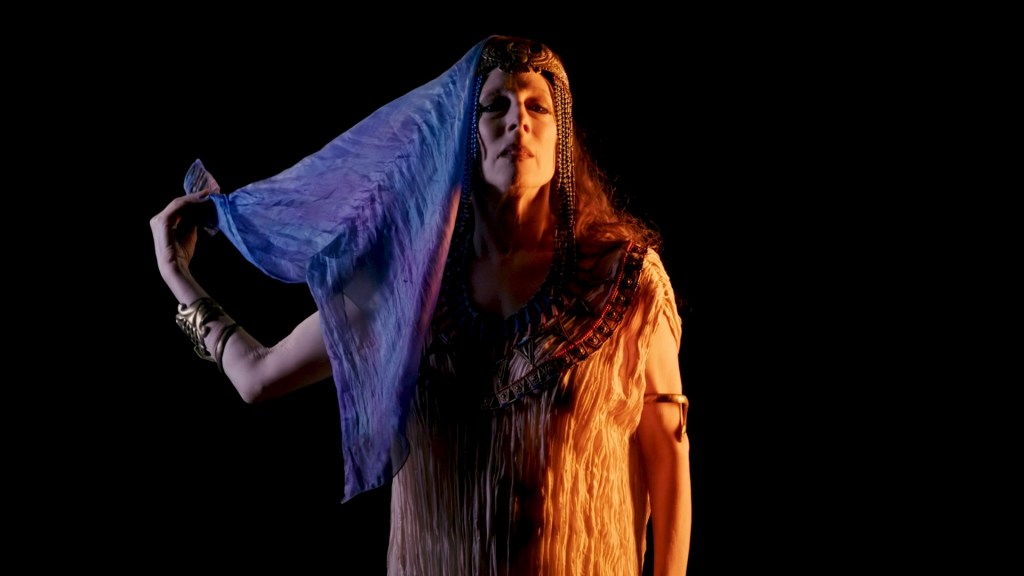
    Photograph by Matthew Ferguson

    IDA RUBINSTEIN – The Final Act

    Book, direction and choreography by Christian Holder

    Original scenarios by Iryna Ioannesyan and Natella Boltyanskaya

    Playground Theatre – until 16 October

    https://theplaygroundtheatre.london/whats-on/

    Disparaging somebody else’s passion project is a bit like telling a doting parent that their baby is ugly. This stage tribute to Art Nouveau darling Ida Rubinstein – the early twentieth century dancer, art patron, actress and all round Renaissance woman, a Russian Jewish heiress who also served as a wartime nurse – is one such endeavour. It is abundantly clear that the creatives involved here have an encyclopaedic knowledge of, and love for, their subject and equally clear that she was a remarkable woman, an artist, philanthropist and trailblazer who also ran an extremely complicated personal life alongside her controversial professional one. Unfortunately though, good intentions, meticulous research, boundless respect and affection, nor even a fascinating central figure, do not automatically make great theatre.

    If it takes a star to convincingly portray a star, then The Final Act is in very safe hands in this respect at least. The show is built around the considerable talents of Naomi Sorkin, herself a former principal for American Ballet Theatre and Lindsay Kemp amongst others. On a side note, I remember her as a haunting, grief-stricken, entirely wordless villager and quite the best thing about a late-1980s Brigadoon revival at the Victoria Palace. With her lithe dancers physicality, expressive hands, heavily made-up flashing eyes and shock of gorgeous Titan hair, she is utterly mesmerising here, swanning around in an array of glittering kaftans, evoking Belle Époque glamour, a slight edge of danger and an underlying well of deep melancholy.

    She is an imperious, eccentric yet oddly sympathetic presence, so bewitching that it almost becomes possible to overlook the ineptitude of much of the rest of writer-director-choreographer Christian Holder’s flattening hotchpotch of drawing room confessional, dance drama and home movie. Rubinstein did have several forays into film so this last element isn’t completely random, although it could have been interpolated into this genre-melding show with a little more finesse. Similarly, the terpsichorean sections, despite the majestic Sorkin, feel grafted on and, unfortunately, a little risible, particularly the bizarre second half sequence depicting Ida as a nurse in what would appear to be an oblique reference to her signature role of Salome, except here instead of the Dance of the Seven Veils we seem to be getting the Dance of the Single Bandage. Not gonna lie, I found it hard to keep it together for that one.

    Despite an impressive contribution from Darren Berry, a fine pianist and a suitably histrionic Maurice Ravel (Bolero was written for Rubinstein) I tend to think the show would work better as a solo show for Sorkin, as when she is down front centre stage she is compelling and authentic enough to (mostly) deflect attention from the clunky script, and the aimless shuttling on and off of Rubinstein’s lovers and artistic associates such as Romaine Brookes and Gabriele D’Annunzio, both of whom are performed with a frustrating lack of specificity and conviction.

    Apart from the opportunity to see a major talent embody another major talent, perhaps the most welcome thing about Ida Rubinstein – The Final Act is that it may make you want to go away and read up about its astonishing subject.

    October 1, 2021

  • BACK TO THE FUTURE – ⭐️⭐️⭐️ – Great Scott! It’s the movie on stage!

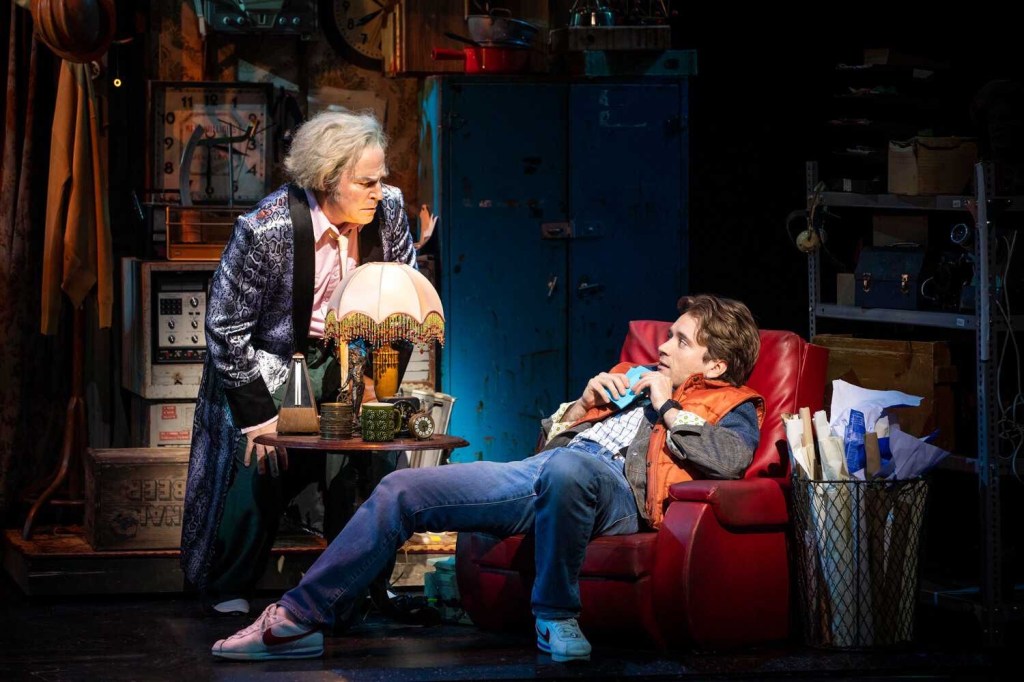
    Roger Bart and Olly Dobson, photograph by Sean Ebsworth Barnes

    BACK TO THE FUTURE

    Book by Bob Gale

    Music and Lyrics by Alan Silvestri and Glen Ballard

    Based on the screenplay by Bob Gale and Robert Zemeckis

    Adelphi Theatre – open ended run

    https://www.backtothefuturemusical.com

    The arrival of a trio of splashy big new musicals in the West End at roughly the same time – the others being Frozen and the ALW Cinderella – feels both like a brave move by producers but also, most importantly, a triumphant V sign (and I don’t necessarily mean ‘victory’) to the pandemic and the chaos, misery and uncertainty it has caused. The last of the three to open, this hyper-caffeinated stage version of, and homage to, Robert Zemeckis’s beloved 1985 time-travelling, sci-fi comedy, may turn out to be the biggest crowd pleaser of the lot, even if it’s probably the least satisfying when judged by the standards of well-crafted stage musicals.

    It is certainly the most astonishing in technical terms: I can’t think of any other show in recent memory that has combined computer generated imagery and physical sets to such overwhelming effect. Throw in a stage revolve in near perpetual motion, and a complex lighting rig that extends outside the proscenium and across the auditorium resembling the innards of a computer crossed with a multiple lightning strike, and you’ve got a visual feast. Then there’s the famed DeLorean car, retooled by eccentric scientist Doc Brown to allow 17 year old Marty McFly to travel back and forth in time to avert potential family disasters in small town America, and it’s quite a sight to behold. The frantic, eye-popping time travel sequence near the end of the show is genuinely thrilling. You’ll believe a car can accelerate to such an degree that it smashes through time, that it can fly and even, in a departure from the movie, that it can talk. Well, a bit.

    It says much for the performances of Olly Dobson, hugely likeable in the Michael J Fox role, and especially Broadway veteran Roger Bart, as a joyously eccentric Doc Brown, that the car doesn’t feel like it deserves star billing. Dobson carries the show with laidback charm and a pleasant voice, but Bart is the real deal, in a gorgeously funny display of physical quirks, vocal tics and formidable comic timing. He’s outrageous but with an underpinning of truth that pushes this Doc into the realms of the unforgettable. It’s a masterclass in musical comedy performance, and may even improve upon Christopher Lloyd in the original movie.

    There is a lot to love in the supporting cast too: Cedric Neal brings formidable comedy chops, delightful stage presence and a glorious, roof-rattling voice to the Diner owner who ends up Mayor of the local town. Rosanna Hyland does really lovely, subtle (for this show) work as Marty’s Mum, world weary and vodka soaked in the 1980s, plausibly morphing back to a more optimistic but still feisty version of herself in the 50s, and again with a voice to die for. Hugh Coles and Aidan Cutler are great fun as, respectively, Marty’s Dad and the town bully.

    Where Back To The Future on stage falters slightly is that, for all the flash and spectacle, it never feels like there was ever a really strong reason to turn it into a musical. Certainly not Alan Silvestri and Glen Ballard’s pastiche heavy score, which is enjoyable but largely unmemorable, all the songs paling beside the Huey Lewis classic ‘The Power Of Love’ which brings the house down in the second half. Nor Bob Gale’s script, adapted from the screenplay he co-wrote with Zemeckis, which ensures that the audience get all the big moments, laughs and plot points they paid for but never achieves a distinct theatrical life of it’s own. It does exactly what it says on the tin, no more, no less, but, like the DeLorean, it has a disconcerting stop-start quality that impedes tension and flow, before suddenly taking flight into moments of sheer exhilaration.

    John Rando’s direction doesn’t as yet smoothly marry the hi tech stuff with a cartoony go-for-broke, anything-for-a-laugh aesthetic: it’s like watching two shows pull in different directions at once, the lavish spectacle ultimately winning. Structurally, Back To The Future eschews convention (no opening number, an overly busy first half closer that feels like it should have cropped up half way through the preceding act, the much loved “big number” – the aforementioned ‘Power of Love’ – not ending the show but paving the way for a much less distinguished finale) but doesn’t replace it with anything exciting or even coherent. Tim Hatley’s designs, Ethan Popp and Bryan Crook’s orchestrations, Finn Ross’s video design and, above all, Tim Lutkins’s lighting are all world class however.

    The whole show is a technicolour eyeful and, even at West End prices, you’ll really be able to see where your money has gone. If it’s not even the best screen-to-stage adaptation of this year, I’ve still no doubt this will make a lot of people very happy, and will keep the Adelphi nicely filled for quite some time. Also, this must have one of the hardest working stage management teams in London; it’s seriously spectacular and a lot of fun.

    Note – this review first appeared on Fairy Powered Productions http://fairypoweredproductions.com/

    September 29, 2021

  • BLITHE SPIRIT – ⭐️⭐️⭐️ – Jennifer Saunders is a magnificent medium

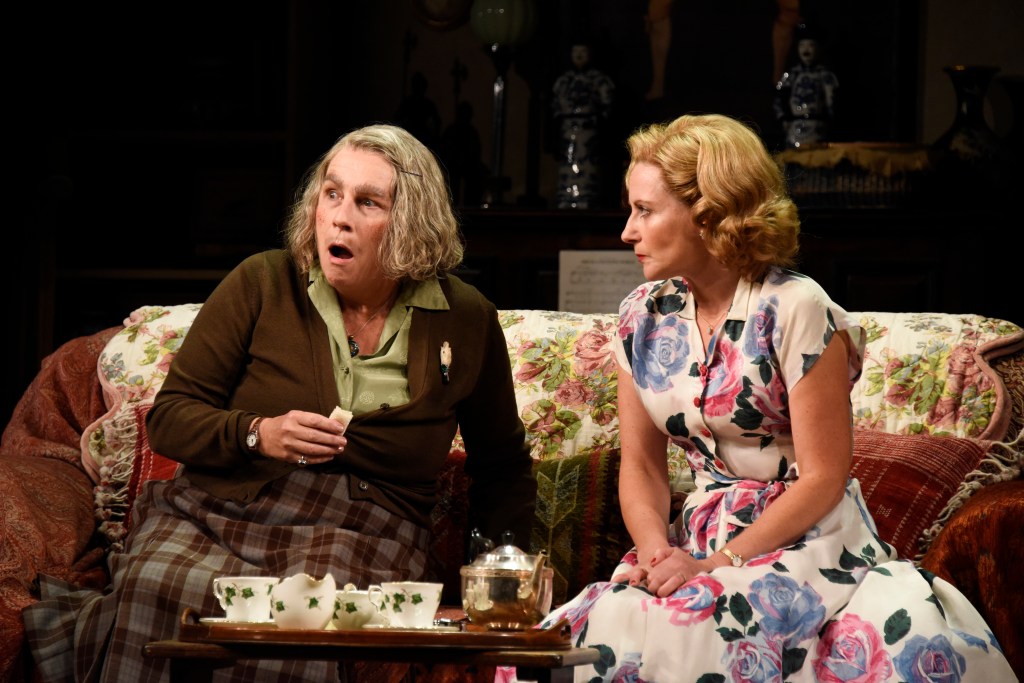
    Jennifer Saunders and Lisa Dillon, photograph by Nobby Clark

    BLITHE SPIRIT

    by Noël Coward

    Directed by Richard Eyre

    Harold Pinter Theatre – until 6 November

    https://www.atgtickets.com/shows/blithe-spirit/harold-pinter-theatre/

    Written and premiered in the early 1940s while WW2 raged on and the prospect of losing a precious loved one at short notice felt like a very real possibility, Noël Coward’s ghostly comedy is, perhaps not surprisingly, the first of ‘The Master’’s plays to be seen in the West End post-pandemic. To be fair, Richard Eyre’s Theatre Royal Bath revival was playing, with most of the current cast, at the Duke of York’s when everything shut down in March 2020, so was ripe for reopening. Here it is again then, in a different venue, and maybe with an added piquancy and relevance.

    The ostensible centrepiece of the production remains Jennifer Saunders as Madame Arcati, the medium who conjures up Elvira, the dead wife of sceptic novelist Charles Condomine, much to the consternation of his current wife Ruth. Saunders is magnificent: this heroically eccentric woman is absolutely convinced of her own powers, and is genuinely affronted by the indifference and mockery of the posh Kent brigade she’s confronted with in the Condomine household. Got up like a chronically flatulent, Blyton-esque Head Girl gone to seed, she’s predictably hilarious, but Saunders also projects a wounded pride that lingers in the mind after the laughs have faded.

    This Arcati’s delight at encountering another person with “the gift” (the Condomine’s fabulously bizarre, awkward maid Edith – Rose Wardlaw in a surprising, scene-stealing turn) is oddly touching, and the resemblance between the two women – an insight I’ve never encountered in any earlier staging of the play – makes for a satisfying symbiosis.

    The performance of the night though turns out not to be Saunders, nor Madeleine Mantock’s impressively assured West End debut as a ravishing, unusually sexy Elvira, nor even Geoffrey Streatfeild handling Charles’s coming apart at the seams with incredible panache. In what is generally considered to be the least rewarding of the four lead roles, Lisa Dillon spins comedy gold out of insecure, passive-aggressive Ruth, eternally in unfavourable comparison (literally, as it turns out) to her more exotic predecessor, driving every scene she’s in. Proof that the greatest actors also make the best comedians, and also something of a Coward specialist (Design For Living at The Old Vic, Present Laughter at the NT, the Kim Cattrall Private Lives in the West End), Dillon brings a nervy charm and fragile elegance to the role, blending just the right notes of realism and camp (watch her flounce out of the room clad in dark glasses and a chiffon scarf leaving her husband to frolic with his phantom wife), this is a lesson in high comedy playing. Janie Dee’s Ruth was, for me, a highlight of the 2014 Angela Lansbury revival: Dillon turns out to be even better.

    Elsewhere, Eyre’s production, played out on a handsome set by Anthony Ward that feels a little too big for the Pinter’s stage, and exquisitely lit by Howard Harrison, is a frustrating mix of inspired insights and an inability, or unwillingness, to let the Coward text speak for itself. It feels about twenty minutes too long, the use of incidental music is way too strident, and the pace drags considerably in the last half hour before the interval. Given that the last occupant of the Harold Pinter was Sonia Friedman’s presentation of a trio of exciting, diverse new plays and talent (Walden, J’Ouvert, Anna X), Blithe Spirit feels a bit like a retrograde step, theatrical comfort food. That said, it’s maybe what many people feel that they want right now.

    Note – this review first appeared on Fairy Powered Productions http://fairypoweredproductions.com/

    September 25, 2021

  • THE LAST FIVE YEARS – ⭐️⭐️⭐️⭐️⭐️ – I didn’t think this could get any better but….

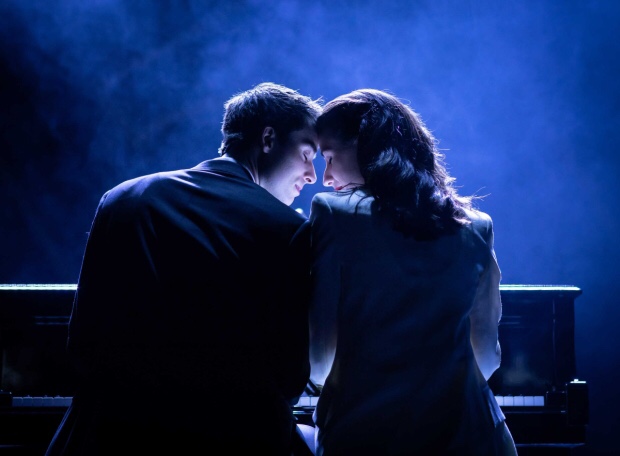
    Oli Higginson and Molly Lynch, photograph by Helen Maybanks

    By Jason Robert Brown

    Directed by Jonathan O’Boyle

    Garrick Theatre – until 17 October

    https://www.nimaxtheatres.com/shows/the-last-five-years/

    They say lightning never strikes twice: I beg to differ.

    Jonathan O’Boyle’s inspired actor-musician take on Jason Robert Brown’s song cycle-cum-musical felt like an eye-opening reinvention of a fascinating but conflicted piece (one half of the doomed love story between a pair of engaging, volatile creatives runs in chronological order while the other runs backwards; the two strands connect at the wedding) when it premiered at Southwark Playhouse in early 2020. It seemed then that O’Boyle, in tandem with a crack creative team and terrific duet of performers, had found a way of making this technically breathtaking but sometimes frustratingly cerebral piece achieve genuine theatrical fire.

    The actors (Molly Lynch and Oli Higginson, both still here and, almost unbelievably, even better than before) accompanied each other at the piano, swapped each other’s props and clothing out, and generally felt like an authentic team which then meant you felt as heartbroken as they did when their relationship fell into ruins. Watching it now in the cream and gold opulence of the West End’s Garrick however, it almost feels like a whole new show. I didn’t think you could improve on perfection, but it would appear that you actually can.

    This is more moving, funnier yet more tortured, and more visually satisfying than the earlier iteration. Aurally and musically, it also feels more variegated: Adam Fisher’s pin sharp sound design, swelling but never distorting the volume for a larger space, ensures that we in the audience get every timbre in George Dyer, Leo Munby and Nick Barstow’s orchestrations and almost every one of Jason Robert Brown’s witty, devastatingly acute lyrics. Musically, it’s lush, yet spiky, and always endlessly delightful. “The new Sondheim” is a term that gets bandied about loosely and it would feel appropriate to apply it to JRB until you check out his resumé and realise that he is actually just THE Jason Robert Brown, and that will more than suffice.

    Lee Newby’s set, beginning with a grand piano spinning in space and ending as a petal strewn fusion of battlefield and celebration, benefits from having more space to work with, and is lit with painterly panache and precision by Jamie Platt. The stage morphs from glitzy to stark in the blink of a tear-filled eye. It looks utterly gorgeous.

    The last London edition of the piece, at The Other Palace and directed by JRB himself, starring Samantha Barks and Jonathan Bailey, was superbly performed but felt a bit inert. This version, rendered with forensic sensitivity by O’Boyle with brilliant movement direction by Sam Spencer-Lane, was always full of invention but has now acquired a gloss and dynamism that makes it worth every penny of your West End ticket money.

    It also succeeds in making the self-absorbed characters rather more sympathetic than usual. That has a lot to do with the innate likability of Lynch and Higginson: insufferable though both characters can be – he the arrogant, preternaturally gifted novelist, she the needy, insecure actress – you inevitably find yourself rooting for them.

    If Oli Higginson was sensational before, investing author Jamie with a Manhattan intensity, a lithe athleticism and the arrogance of youth, topped off with an exhilarating, skyscraping rock tenor, he has now acquired an extra sheen of vulnerability. This interestingly redresses the sympathy balance somewhat between him (he does cheat on her first, as far as we know) and Molly Lynch’s bewitching Anne Hathaway doppelgänger Cathy.

    Lynch’s performance, previously utterly exquisite, feels like it has changed even more radically. As her side of the story plays out/unravels, she infuses the frustrated actress with a new bitterness and fury that throws her earlier joy into even starker relief (Cathy’s story moves backwards, so her enraptured final number “Goodbye Until Tomorrow” as she contemplates a first date with Jamie is almost unbearably poignant given that we know what’s coming). Irresistibly funny and with a powerful but sweet voice that can apparently sing anything, Ms Lynch is the real deal, the kind of musical theatre talent they used to write shows for. They still should.

    If you saw this gem of a show at Southwark and thought you didn’t need to go again, treat yourself to another visit: time, space and perspective has lent it a significant upgrade. If you didn’t see it before….what are you waiting for?! Any musical theatre fan that doesn’t experience this is missing a major treat; it enriches the West End. I can’t wait to go back.

    September 24, 2021

  • SMALL CHANGE – ⭐️⭐️⭐️⭐️ – a revival to savour

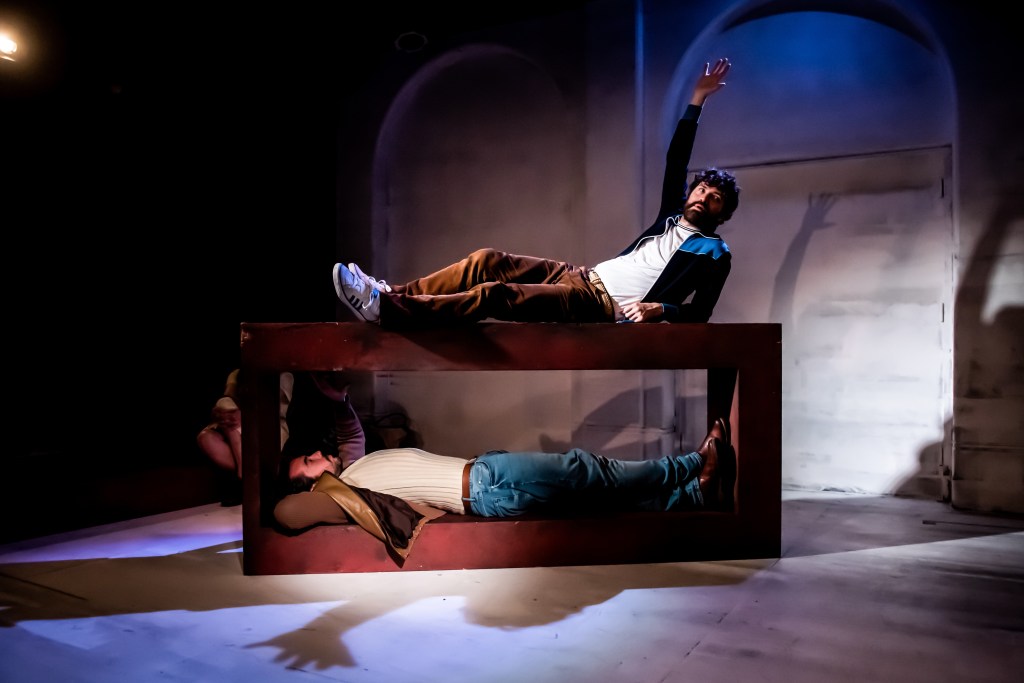
    Andy Rush and Toby Gordon, photograph by Jon Holloway

    SMALL CHANGE

    by Peter Gill

    Directed by George Richmond-Scott

    Omnibus Theatre – until 2 October

    https://www.omnibus-clapham.org/small-change-2021/

    First presented at the Royal Court in 1976 and last seen in London in a starry 2008 revival directed by the author, Peter Gill’s knotty, elegiac text is a dense, tense jumble of memory play, kitchen sink drama, poetry and gay love story. Dipping back and forth in time between the mid 1950s and the mid 1970s in working class Cardiff, it still packs a powerful punch as it raises questions of where do you come from versus where you are now, and what it emotionally cost you to get there. In it’s uncomfortable meditations on the holds mothers have over their sons, Small Change is sometimes redolent of a Welsh accented take on D H Lawrence’s Sons And Lovers, while the intriguing device of replaying the same scenes with different emphases and perspectives presages Nick Payne’s work on the internationally acclaimed Constellations.

    The simultaneous sense of claustrophobia while longing for the wider world informs much of the play, and the casual cruelty that occasionally breaks through innocuous family exchanges rings true and painful. Much of the writing is extraordinary, although a late scene lurch into psychobabble and gay longing between the two men, boyhood friends now reunited after a long absence from a city they now barely recognise, feels clumsy and a little implausible, despite the brilliance of the acting.

    It is hard to imagine a better version than George Richmond-Scott’s delicate but muscular revival, which, perhaps surprisingly, manages a more vivid theatricality and sense of time and place than Gill’s own Donmar staging thirteen years ago which, despite a higher profile cast, wasn’t as well acted as this one. As the two boys, then young men, in thrall to their surroundings, their mothers and each other, Andy Rush and Toby Gordon deliver beautifully detailed, vital, moving work. Sioned Jones is terrific -warm but steely- as a Welsh matriarch as capable of implacable stubbornness as she is of great kindness. Tameka Mortimer is very affecting as another working class mother suffering in not-quite silence at a time when mental health wasn’t as openly talked about as it is now.

    The quartet of actors seldom leave the stage, as though bearing witness or silently commenting on the intimate action unfolding within Liam Bunster’s endlessly flexible set of rust coloured beams, which evokes at times a gladiatorial combat ring, at others an art installation, even a climbing frame. The near constant use of movement (Rachel Wise, excellent work) is outstanding and makes the moments of stillness all the more potent. The contributions of Ali Hunter (lighting) and especially Lex Kosanke (sound) are also invaluable to this hugely accomplished, atmospheric rendering that brings clarity and passion to what can be a tricky text. Highly recommended.

    September 20, 2021

  • IS GOD IS – ⭐️⭐️⭐️⭐️ – Nasty, hilarious, moving…and unmissable

    Photograph by Tristram Kenton

    IS GOD IS

    by Aleshea Harris

    Directed by Ola Ince

    Royal Court Theatre – until 23 October

    https://royalcourttheatre.com/whats-on/isgodis/

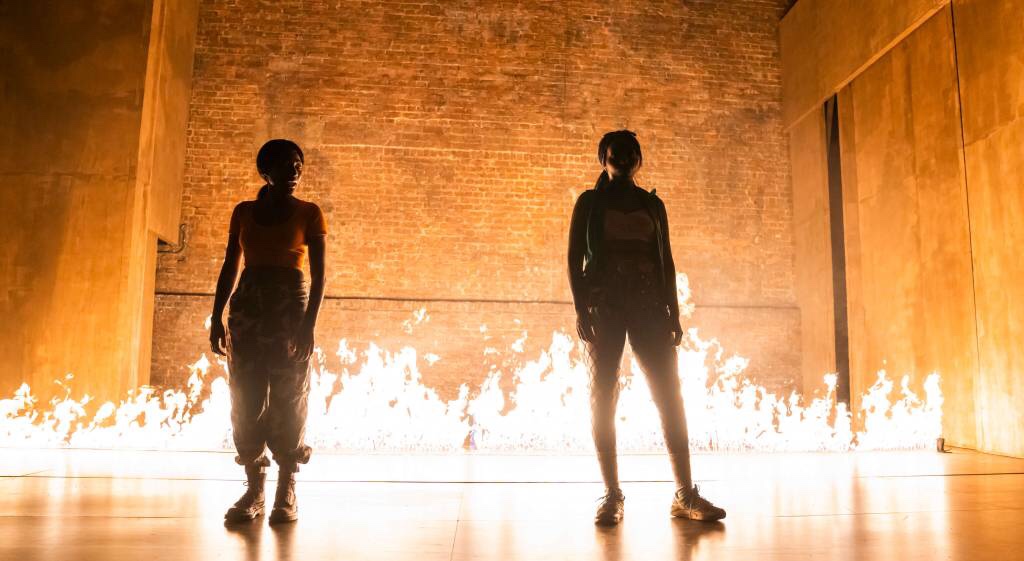
    One of the Urban Dictionary definitions of “nasty” is a word to describe something that is ridiculously good. Between that and the more traditional meaning of the word, I have no hesitation in proclaiming that Aleshea Harris’s literal firecracker of a play is one of the nastiest shows in town. Acclaimed and awarded upon it’s 2018 Off-Broadway premiere, it’s not hard to see why, especially in Ola Ince’s boldly inventive, fabulously cast new production for the Royal Court. It’s astounding.

    Imagine, if you dare, a younger, Black riff on a female-led Road Movie such as Thelma & Louise, crossed with a Jacobethan Revenge Drama then overlaid with strips of particularly bitter domestic sitcom, and even Spaghetti Western, but alchemised into something profoundly, essentially theatrical… and you’ll have some idea of what’s going on here. A set of twins, disfigured in an unexplained fire, receive a letter from their presumed-dead mother (a very much alive, almost deified, and magnificently terrifying Cecilia Noble, screaming blue murder from a hospital bed and with a face damaged beyond recognition in the aforementioned conflagration), which lights the touch paper for a vengeful adventure that sees the young women head across America in search of their no-good Dad and to avenge Mom.

    The writing is at times poetic and extravagant, and at others brutal and spare, but never hits a false note. It’s full of fascinating detail, quirks and apparent non sequiturs that add up to a wonderfully vivid picture of an only intermittently civilised world spinning off it’s axis.

    Probably not for the faint-hearted, but a rollicking good time for everybody else, Harris’s script is particularly impressive because it transitions between these ostensibly mismatched genres almost seamlessly. She, and her resourceful director, have created a modern America that is at once recognisable, relatable even, but also so crazy that it feels like anything could happen. And it pretty much does. Chloe Lamford’s eye-popping, picture-postcard-meets-your-worst-nightmare sets help hugely, as does a uniformly brilliant cast.

    Nobody in this company drops the ball: as Racine and Anaia, Tamara Lawrance and Adelayo Adedayo convincingly convey the connection and rapport between identical twins while also making vivid and fascinating some specific differences. As the more outgoing of the pair, and the one less fire damaged, perhaps not coincidentally, Lawrance projects a sunny confidence that masks a breathtaking capacity for brutality. Adedayo is more bruised and watchful, and ultimately very moving as the kinder of the two, or at least the kinder until circumstances put that particular character trait out of her grasp. They are both terrific.

    Vivienne Acheampong’s barely suppressed fury as a taken-for-granted, upwardly mobile Mum is both hilarious and unsettling, while Ernest Kingsley Jr and Rudolph Mdlongwa are glorious as her obnoxious twin boys, the former especially funny as a kid so transfixed by his own literary genius as a poet that he can’t find time to help with the chores. Mark Monero is excellent as a father figure who at first seems not quite what was expected…and then….well, come see for yourself.

    It’s a bonkers theatrical thrill ride, and one that anybody with an interest in new writing ought to see. Laugh-out-loud funny and deeply troubling, is it a bit early in Harris’s career for her to have created a modern masterpiece? Well….here it is. This is a truly nasty show, and I liked it very very much.

    September 19, 2021

  • N W TRILOGY – ⭐️⭐️⭐️⭐️ – a magnificent evening

    Natasha Jayetileke, photograph by Marc Brenner

    NW TRILOGY

    Dance Floor by Moira Buffini

    Life of Riley by Roy Williams

    Walking/Waking by Suhayla El-Bushra

    Directed by Taio Lawson and Susie McKenna

    Kiln Theatre – until 9 October

    NW TRILOGY

    This is community theatre in the truest sense. The Kiln is right in the heart of North West London, and it’s autumn offering is a trio of short plays set in the immediate vicinity, albeit at two different points in modern history. Educational and richly entertaining, NW Trilogy emerges, in Taio Lawson and Susie McKenna’s vibrant production as a sparky, moving valentine to what is traditionally one of the capital’s most diverse neighbourhoods.

    Given that not only are there two directors but a trio of writers (Moira Buffini, Roy Williams and Suhayla El-Bushra) involved in the project, it is remarkable how consistent the tone of the entire evening is. Although each short piece is discrete from the others, the overall sense of shared history and cumulative experience, across history, race and gender, is superbly done, the whole company sweeping on to effect scene changes, or act as supernumeraries. Certain themes echo and weave tantalisingly through each text: the commonality of music, the breakdown in communication between men and women, the struggle immigrants have often had to receive acceptance in London, the way an act of unfathomable kindness or cruelty can have a transformative effect on individual lives…. This is powerful, thought-provoking stuff that may occasionally teeter on the brink of sentimentality but is, for the most part, a riveting couple of hours, shot through with some genuine belly laughs and more than a few tears.

    The opener, Moira Buffini’s delicate but tough ‘Dance Floor’, set out-of-hours in a 1950s Irish dance hall, is a real beauty. Two women, the older one authoritative but not unkind (Aoife McMahon, perfection) and the younger newly arrived from Donegal, deeply homesick and in trouble (exquisite work by Claire Keenan, who also has the most ethereally lovely singing voice), clean up after the preceding night’s revelry. It’s impossible to describe the plot without spoilers but suffice it to say that it’ll leave you with a real lump in your throat, and includes a terrific turn by Emmet Byrne as one of the guests who imbibed well but not wisely the night before. Vastly more ambitious than it initially appears, ‘Dance Floor’ packs more joy and gentle devastation into it’s brief running time than many plays four times it’s length can manage.

    Roy Williams’s ‘Life of Riley’ flashes forward to 1976 and depicts an edgy meeting between mixed race Paulette and her successful reggae musician father, who left the family home when she was three. Paulette is repelled by her father’s selfishness and resents his abandonment of her as a mixed race child in an intolerant city, but is drawn despite herself to his talent and the perceived glamour of his connections (“I knew Bob Marley before he was Bob Marley!”) Williams’s writing is fresh and salty, with a lot to say about the race relations and sexual politics of the time, and Harmony Rose Bremner and Chris Tummings mine it for all it’s pain and humour. When they sing together it’s authentically magical. Again, here is a short, but far from small, play that is completely satisfying.

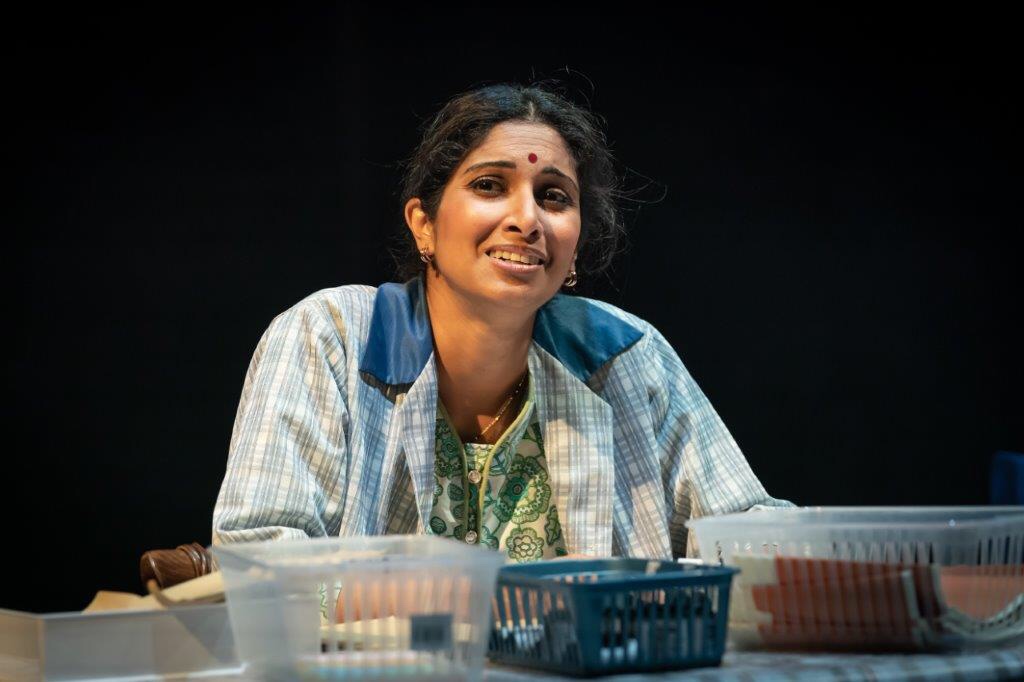
    If Suhayla El-Bushra’s final section ‘Waking/Walking’ is less impressive than It’s companions, that is because it’s the only part of the trilogy that really feels as though it ought to be a full length piece. Inspired by the Grunwick dispute, it filters the turbulent tale of female East African Asian workers striking for better working conditions in the late 1970s, through a domestic comedy drama that seems a little hemmed-in but still repeatedly and pleasingly confounds expectations in terms of character and plot development. The lurch from the nicely observed, often very funny, family tragi-comedy of the first scene to an impassioned, increasingly disillusioned monologue for the family matriarch (delivered with excoriating emotional dexterity by Natasha Jayetileke), forced by financial circumstances to defy the strike and return to work (“These were the women who cried for me when I could no longer cry myself”), is dramaturgically clumsy, although it paves the way for a rabble rousing final tableau that fairly yanks the audience out of their seats.

    All of the acting is first rate, and directors Lawson and McKenna skilfully balance the ferocity and vitality of the texts with genuinely poignant moments – note the way Tummings’s hard-bitten Riley gently reaches out to touch his daughter’s hair while she is otherwise engaged writing her phone number on his inner arm – and the whole night moves at a cracking pace. Designer Sadeysa Greenaway-Bailey ingeniously makes the extended Kiln stage look simultaneously immense yet claustrophobic, and Richard Howell’s lighting is very successful, evoking a past bathed one moment in a nostalgic glow and in the next, in a harsh, uncompromising reality.

    NW Trilogy is steeped in the stories and energy of North West London, but it is worth travelling from any postcode for. A magnificent evening.

    Note – this review first appeared on Fairy Powered Productions http://fairypoweredproductions.com/

    September 18, 2021

  • CAMP SIEGFRIED – ⭐️⭐️⭐️⭐️ – it’s disconcertingly good

    Luke Thallon and Patsy Ferran, photography by Manuel Harlan

    CAMP SIEGFRIED

    by Bess Wohl

    Directed by Katy Rudd

    The Old Vic – until 30 October

    https://www.oldvictheatre.com/whats-on/2021/watch-at-the-theatre/camp-siegfried

    The human urge to create something beautiful or at least worthwhile from the ashes of cruelty and catastrophe is an extraordinary thing: witness the phenomenal global success of Come From Away, which would never have happened without 9-11 yet never feels opportunistic or inappropriate. The genocidal horror of Nazi Germany continues to provide a pivot point for art and probably always will as long as humanity tries to process how upwards of 17 million souls were lost while the rest of the world stood by. Currently on the London stage, Tom Stoppard’s Leopoldstadt and Paula Vogel’s Indecent, masterpieces both, grapple with this unconscionable evil. They are joined now by the world premiere of Bess Wohl’s slippery, engaging two hander which appears to start off in much less doom-laden territory but ends up being arguably the most disturbing of this trio of remarkable plays.

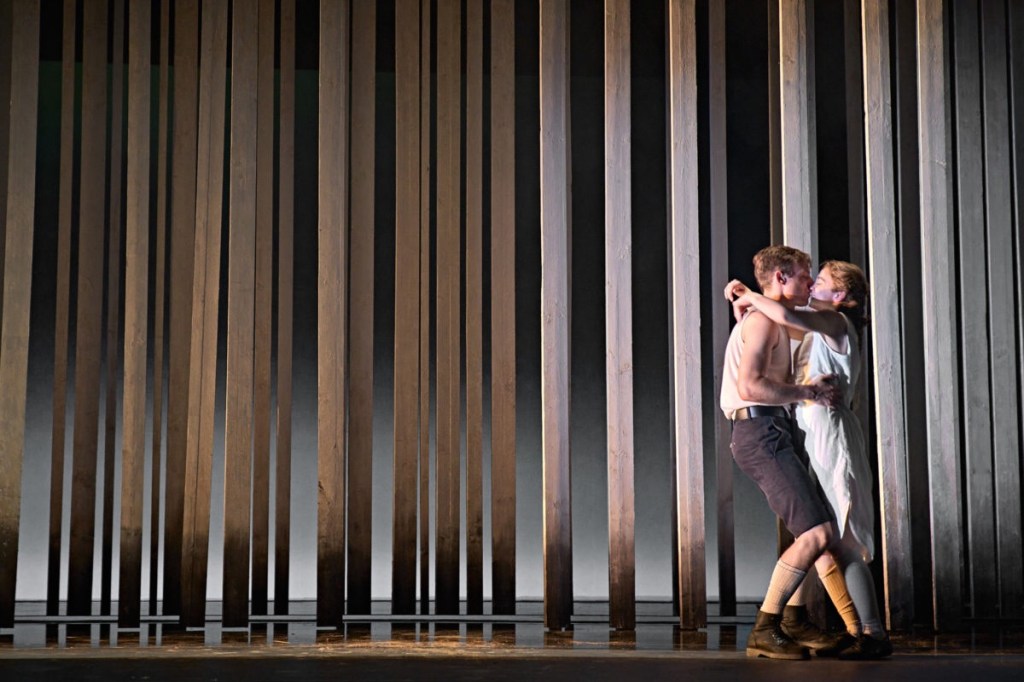
    Proving that real life is often stranger than fiction, Camp Siegfried actually existed: a sort of Butlins with swastikas, it was a family retreat on Long Island, NY, for American-Germans with Nazi sympathies to engage in outdoor activities, live music, dancing… and fascist indoctrination. Wohl’s play is set over the summer of 1938 and sees a pair of unnamed youngsters (the programme refers to them only as “Her” and “Him”, presumably to force home the point that nobody is ever insusceptible to bad influences) who meet at Camp Siegfried, and share an intense, troubling intimacy before going in very different directions.

    In Katy Rudd’s spare, witty and ultimately terrifying production, punctuated by newsreel footage of the period, Patsy Ferran and Luke Thallon further consolidate their claims to be among this country’s most exciting younger stage actors. Mesmerising to watch, they subtly, ingeniously uncover layer upon layer of these misguided, fitfully likeable, ultimately repellent individuals. The depth and qualify of the performances and Wohl’s writing, leavened with moments of dazzling humour, mean that while this is not an easy piece to sit through at times, it is undeniably riveting.

    The idea that extreme political views appeal to the outsider, to people not fully comfortable in their own skin, may not be a revelatory one but it remains topical, and is handled here with extraordinary conviction. Watching Ferran go from a timid little mouse, comically nervous of almost everything, to a rabble rousing, exalted speech maker is as frightening as it is exhilarating. Thallon matches her with a nuanced portrait of a strapping Aryan-type youth whose enthusiasm seems constantly on the verge of tipping over into mania and violence.

    There is a hint that there may be some redemption for Ferran’s character after she receives great kindness at the hands of a Jewish doctor and his family, but Thallon’s is a very different story, and watching the darkness enter him is chilling in the extreme. Rosanna Vize’s stark, expressionistic set and Rob Casey’s lighting – which starts off with a warm, wholesome glow before devolving into a hellish monochrome nightmare – provide suitable foils for this grimly impressive piece of work. Highly recommended, but I wouldn’t bank on getting a good nights sleep afterwards. Evil in plain sight is a real chiller, and that’s exactly what Wohl is serving up here. Disconcerting, essential stuff.

    September 18, 2021

Previous Page Next Page

Blog at WordPress.com.


Loading Comments...
 

    • Subscribe Subscribed
      • ajhlovestheatre
      • Join 59 other subscribers
      • Already have a WordPress.com account? Log in now.
      • ajhlovestheatre
      • Subscribe Subscribed
      • Sign up
      • Log in
      • Report this content
      • View site in Reader
      • Manage subscriptions
      • Collapse this bar