ajhlovestheatre

  • Home
  • About
  • Contact
  • Blog

  • CABARET – ⭐️⭐️⭐️⭐️⭐️ – it’s a total triumph: unmissable

    Photo by Marc Brenner

    CABARET

    Music by John Kander

    Lyrics by Fred Ebb

    Book by Joe Masteroff

    Based on John Van Druten’s “I Am A Camera” and Christopher Isherwood’s “Tales of Berlin”

    Directed by Rebecca Frecknall

    Kit Kat Club at the Playhouse – booking to 1 October 2022

    https://kitkat.club/cabaret-london/

    This was always going to be one of the theatrical events of the year -two of this country’s brightest young stars in a Broadway classic re-imagined by one of the hottest new directors for decades- but I’m not sure anything prepared me for quite how earth-shatteringly sensational Rebecca Frecknall’s take on Cabaret would turn out to be. For a while there it looked as though outrage at the eye-wateringly high ticket prices would eclipse everything else about the show but it’s worth noting that there is a TodayTix lottery, and some of the super high priced seats include dinner and champagne, the reconfigured auditorium now being partly an opulently appointed supper club.

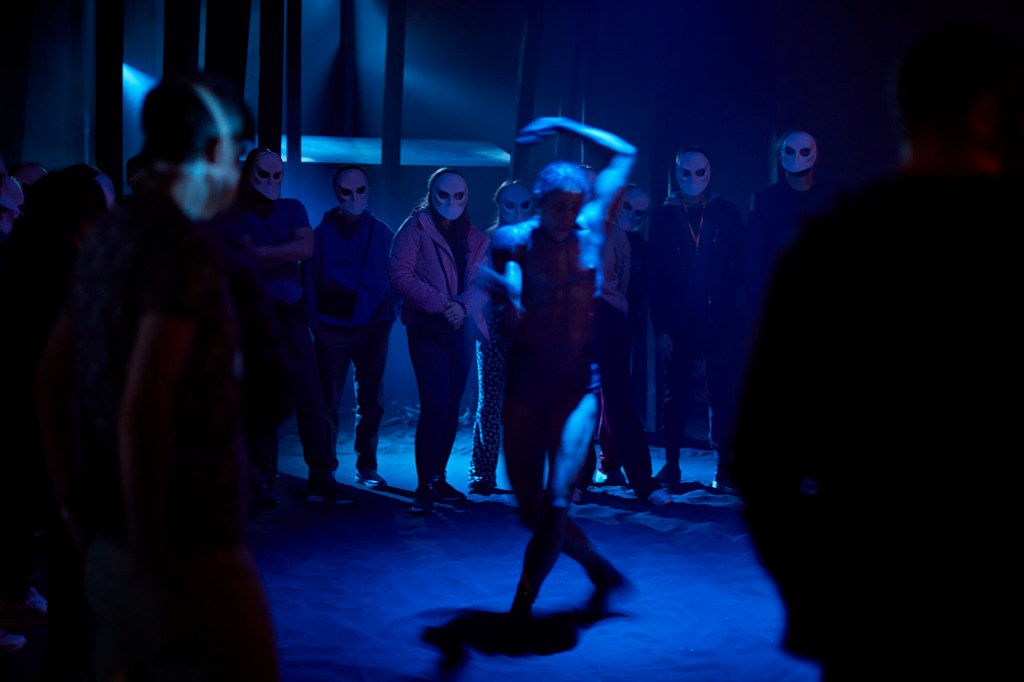
    Whether you’re quaffing champers, or you’re quietly enjoying your free welcome drink, I don’t think you’re going to feel that you’ve wasted even a penny at this extraordinary piece of theatre, one that will be talked about for decades to come. The “immersive” aspect is stunningly well done: Tom Scutt’s design and Frecknall’s concept embraces the whole venue (aficionados of the Punchdrunk shows will find this pretty familiar): a beautiful woman regards herself in a dressing table mirror as we file past, another writhes on the floor to piano accompaniment behind a beaded curtain, moustached dancers of indeterminate gender disport on a balcony above the bar. It’s beautiful, a bit strange, quite sinister, and entirely transporting.

    All of this would feel like a distraction though if the performance itself were not up to par. It’s rather more than that in fact: a wildly imaginative, exhilarating, brutally disturbing rendition of this most malleable of musicals that draws one into it’s intoxicating, hedonistic world then sends us reeling out into the night, with troubled hearts, dazzled eyes and our heads crammed with unforgettable images. Frecknall is too intelligent to make explicit the parallels between the rise of the Nazis with the sleaze, corruption and divide-and-rule horrors of our present government. It’s not hard to join those dots though, in the brief moments of terror where a moment of joy is punctured by an act of prejudice (there’s a shocking elision of the infamous Kristallnacht with the Jewish glass breaking wedding ritual, that lingers long in the mind afterwards) or in the sense of a party as the world burns.

    It’s brought home even more tellingly by the final section, where all the extravagant trappings of 1930s Berlin are abandoned and the whole company appears in anonymous, timeless, beige suits, hollow-eyed everypeople sleepwalking like zombies towards the abyss. This chilling conclusion is foreshadowed by dolls at the end of the first half, clad in the same beige, set down by the cast on the endlessly revolving stage to the seductive, unsettling, anthemic strains of ‘Tomorrow Belongs To Me’. At that early point in the show it seems like a vaguely uncomfortable fantasy but by close of play it has become a grim reality. Shatteringly powerful, it begs the question how did these people get to this, and it resonates forward upon us: how did we get here?

    Every new production of Cabaret tends to be a mishmash of the original musical which ran for over 1000 performances on Broadway in the 60s and transferred to London with a young Judi Dench as the West End’s Sally Bowles, with the major additions made for the iconic Bob Fosse movie starring Liza Minnelli. The last West End revival directed by Rufus Norris had a slightly different running order from the universally acclaimed Sam Mendes version which started at the Donmar before conquering Broadway. This one tells the story with a commendable fluidity and clarity, bleeding the seedy glamour of the Kit Kat Club sequences into the “real life” book scenes more effectively than I’ve ever seen before (the in-the-round staging inevitably helps with this).

    Kander and Ebb created the terrific numbers ‘Mein Herr’ and ‘Maybe This Time’ for Minnelli and it’s hard to imagine Cabaret without them. The film was deceptive insofar as Liza was a phenomenal singer and radiated star quality, something Jean Ross (the real life model for the role) did not, according to Christopher Isherwood. In this production, Jessie Buckley is thrilling, only unleashing the full force of her impressive voice at certain moments. Her version of the title song is a spine-tingling apocalyptic howl of rage, and her rendition of ‘Maybe This Time’ is deeply moving in it’s unhistrionic longing. She may be the best sung Sally Bowles in a long time but it’s the acting that really knocks us sideways though….we watch the sunshine drain out of her.

    Eddie Redmayne’s Emcee is less immediately revelatory perhaps but It is a magnificent reading of the role, magnetic and reptilian. Try taking your eyes off him whenever he’s on stage. Omari Douglas’s Cliff is sensitively done, clearly gay but trying to make the best of his complicated feelings for Sally, and dynamically urgent when he realises the way things are going under the Nazis and plans to get his unconventional little family out of Berlin. Stewart Clarke and Anna-Jane Casey are both serious luxury casting, giving stellar, riveting performances as a pair of minor, but essential, figures in this creeping nightmare.

    In a company without a single weak link, Liza Sadovy is a particular highlight. Her beautifully realised, kind, morally flexible Fräulein Schneider, along with Elliott Levey’s excellent suitor, reads as younger, more vital than usual, making one think that this couple could have had decades together if things has panned out differently, which in turn makes it all the sadder. Her ‘What Would You Do?’ performed high up on the revolving stage seems to indict the whole audience. It is a heartbreaking, heartstopping moment in a show full of them.

    Julia Cheng’s choreography is edgy and angular, occasionally breaking into unforgettable stage pictures (look out for the scene near the end where Cliff is beaten up, which is lent a grim grace and beauty), performed by a fabulous ensemble who are as talented as they are intimidating. Isabella Byrd lights Tom Scutt’s stunning designs with breathtaking skill.

    All in all, this is a powerful, savagely beautiful, endlessly exciting take on a Broadway classic. I wouldn’t be at all surprised if it runs far longer than Redmayne and Buckley are contracted for: see it with them, see it without them, just see it. You’ll probably want to go again. Personally, I can hardly wait.

    December 13, 2021

  • THE COMEDY OF ERRORS -⭐️⭐️⭐️⭐️- the RSC’s Christmas gift to the capital, and it’s a really good one

    Photograph by Pete Le May

    THE COMEDY OF ERRORS

    by William Shakespeare

    Directed by Phillip Breen for the Royal Shakespeare Company

    Barbican Theatre – until 31 December 2021

    https://www.rsc.org.uk/the-comedy-of-errors

    It might seem a bit odd to come out of a Shakespeare production raving about the singing and music. Yet these elements (composer Paddy Cunneen and four stellar vocalists in Dunja Botic, David Jones, Helena Raeburn, Robert Jenkins) are part of what lift Phillip Breen’s captivating new RSC production -first seen earlier this year at the company’s temporary outdoor auditorium in Stratford- from a hugely enjoyable rendition of the text into something truly special. Insistent, atonal and vaguely unsettling, with a slight Middle Eastern flavour, the music provides a haunting, grounding overlay to this most frenetic of Shakespearean texts.

    To be fair, a gloriously diverse cast and the inspired work of movement and fight directors Charlotte Broom and Renny Krupinski (respectively), also play a valuable part in this production’s hyper-caffeinated appeal. Undoubtedly the nearest the Bard ever got to full-on farce, this tale of mistaken identities doesn’t always make a whole lot of sense, and what may have had the groundlings rolling about in the 1590s needs a bit of help these days (in one blissful comic moment that may infuriate purists, Jonathan Broadbent’s hilariously wan Dromio of Syracuse rounds on the audience bellowing “help me out here! These jokes are four hundred years old!”).

    By setting the comedy in what appears to be the 1980s (to judge from some of the OTT fashion) in an unnamed Middle Eastern country where conspicuous consumerism (characters wander about toting designer shopping bags) sits alongside the constant threat of violence (Nicholas Prasad’s commanding, medallioned uniform wearing Duke is one step away from being a military dictator), Breen lends the piece a slightly harder, more sinister edge than we’re used to. This in turn throws the comedy into even more striking relief than usual, all the funnier because there seems to be a lot at stake. This isn’t simply a joyful romp anyway, there’s real substance here (the almost desperate hug reuniting the Dromio twins at the end has seldom been so moving, and there is a subtle but unmistakable suggestion that Antipholus of Ephesus and Adriana’s relationship is damaged beyond repair by close of play).

    It IS unquestionably a very funny production though, full of energy and invention. The clowning of both sets of twins (Broadbent and Greg Haiste as the Dromios, Guy Lewis and Rowan Polonski as the Antipholi, all sensational) is incredible but all the more hilarious because it is rooted in the terrible truth that all these people’s lives are potentially going to hell in a handcart. The women are every bit as good, Naomi Sheldon’s ultra-glam, heavily pregnant, totally fabulous Adriana joyously staggering back and forth over the fine line between passive-aggressive and flat-out aggression, abetted by Avita Jay’s fierce Luce. William Grint’s BSL using, Andy Warhol lookalike Second Merchant is another triumph: precious, preening, possibly deadly and utterly, biliously funny. You’d also have to be made of stone not to fall about at Baker Mukasa’s campily aggrieved Angelo hijacking a TV broadcast to shame Polonski’s magnificent Antipholus of Ephesus into paying up at the top of the second half. It’s a riot.

    If the production sometimes sacrifices vocal clarity to energy and bombast when the farce really kicks in, and the set still looks built for all outdoor weathers, these are small caveats in what is a real treat of a production. If you don’t fancy panto or a big musical for your festive entertainment, get yourself over to the Barbican. This is a real cracker.

    November 24, 2021

  • STRAIGHT WHITE MEN -⭐️⭐️⭐️ – it’s a lot, but is it enough?!

    Kim Tatum and Kamari Romero, photograph by Pamela Raith

    STRAIGHT WHITE MEN

    By Young Jean Lee

    Directed by Steven Kunis

    Southwark Playhouse – until 4 December 2021

    https://www.southwarkplayhouse.co.uk/show-whats-on/straight-white-men/

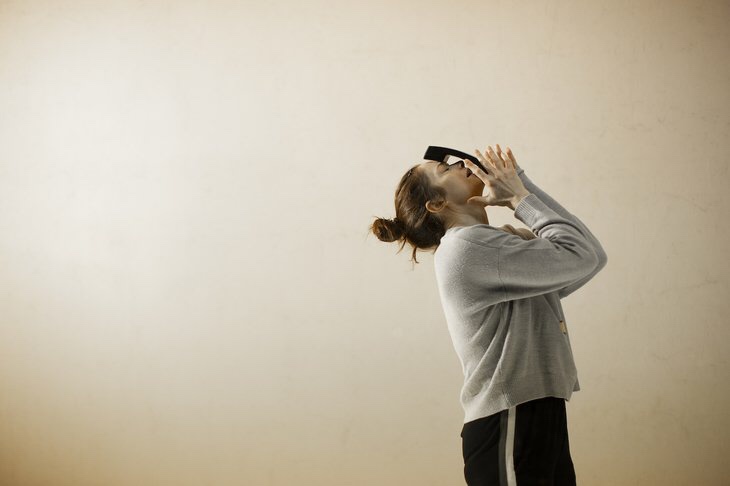
    When the 2018 production of Straight White Men opened, it’s Korean-American author Young Jean Lee became the first ever female Asian writer to have a play on Broadway, which is pretty astonishing when you consider what a polyglot, multi-cultural city New York is. A long-standing darling of the avant-garde downtown off-Broadway theatre scene where she has her own company (and Straight White Men had It’s world premiere at the Public in 2014), Lee is known for creating plays that are punchy, free-form and adventurous.

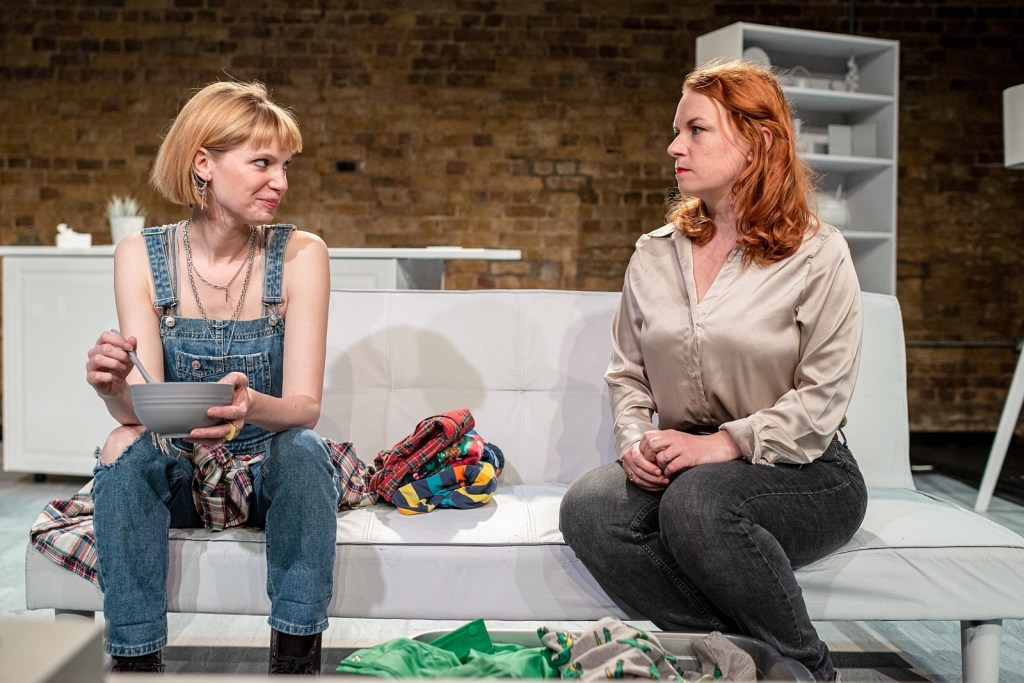
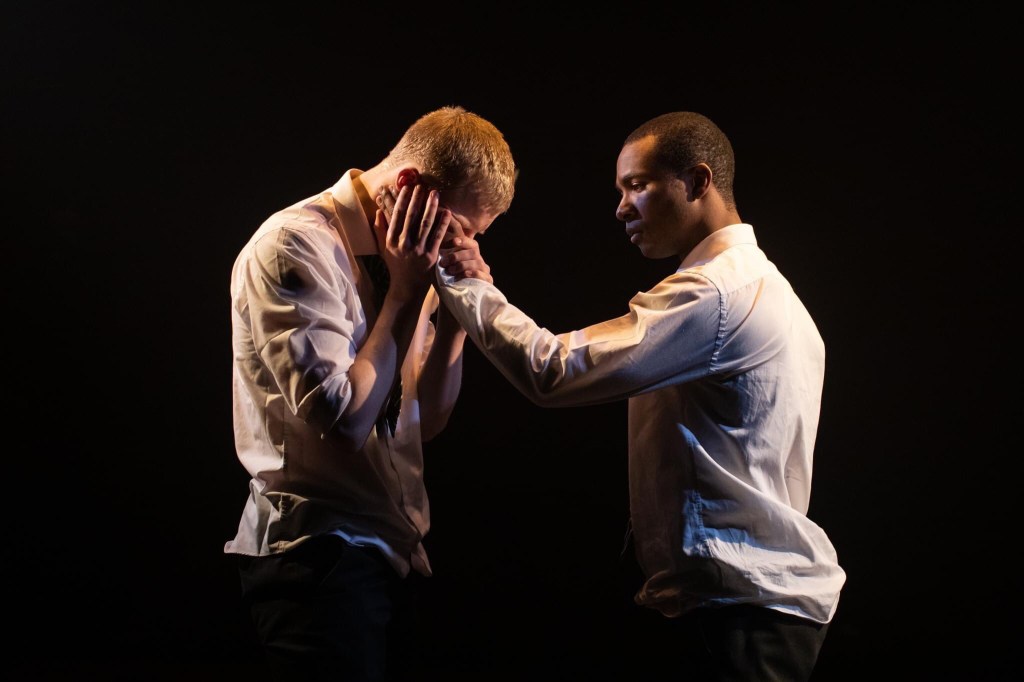
    Straight White Men is certainly punchy, abrasive even, but it’s a bit of a headscratcher. The framing device of having two Black trans performers (for this London premiere, the wonderfully engaging Kamari Romero and über glamorous Kim Tatum) open the show with campy banter and a Vogue-heavy walk-down that suggests we are in for a stage version of Pose, then having them return between scenes (the play is set at Christmas and at one point Ms Tatum murders – and I really mean that – a festive carol) doesn’t really add much beyond lending a certain spice to what is otherwise a surprisingly conventional script. Perhaps the idea is to completely wrong-foot the audience from the get-go but Steven Kunis’s production doesn’t seem to have the full measure of the contrast so the result is more baffling than bracing. It doesn’t help that, on the night I saw it at least, Tatum wasn’t on top of her lines and lyrics. If the idea is that we are on a wild, unconventional ride, then it needs to be snappy, sharp and clearly delineated. This show is none of those things unfortunately.

    The main meat of the play is a depiction of a family Christmas for a trio of grown-up brothers and their widowered Dad. Younger brother Drew (superb understudy Simon Haines at the show I caught) is a successful author, newly divorced middle brother Jake (dynamic, complex Alex Mugnaioni) is a wealthy banker and the oldest, Matt, who had shown more brilliance and youthful promise than either of his siblings, is now running the family home, looking after their father Ed (Simon Rouse, spot on) and doing small jobs to make ends meet. He also seems to be suffering from acute depression. Charlie Condou is particularly good at projecting Matt’s brittle, bright exterior but with intimations of deep anxiety roiling underneath.

    The jock-ish, boisterous camaraderie between the trio -sometimes cruel, sometimes downright crass, but almost always affectionate- is convincingly caught but commendably never descends into cliché. The reaction of go-getter Jake when he realises that his older brother is seriously underachieving not out of a deliberate desire to flick two fingers up at an imperfect world but for reasons much more fallible and humane, is very funny but also rather unsettling.

    The between-scenes sequence where they dance together to camp disco tunes is entertaining but does nothing to illuminate the characters’ relationships nor the agenda of Lee’s script, raising yet more questions that aren’t fully resolved. The signage (including one that proclaims the title of the show…or is it a label for the quartet of central protagonists?) dotted above and alongside Suzu Sakai’s commendably realistic set, raises yet more questions: are we to take these guys at face value or are they being presented to us like exhibits in a museum?

    Similarly, a scene change during which Tatum and Romero sort-of ransack the set we’ve all been looking at, stealing the spoils of white male privilege, such as sports trophies, a board game (Monopoly repurposed as ‘Privilege’ by the boys’ deceased Mom) and pulling out a rainbow flag (fine, but why?) is more confusing than significant, plus comes close to perpetrating some very unhelpful tropes. When the tables turn on Matt at the end they appear alongside him as he is forced to make changes in his life. It’s an interesting stage picture but it doesn’t connect with anything we’ve seen previously.

    At least in this staging, Straight White Men falls between two stools: not outrageous enough and too esoteric to really spark conversation, but not funny enough to register as satisfying satirical comedy. It doesn’t have the courage to be as unconventional as it could be, nor the humanity to really bind us to the main actors. There’s some lovely work here (specifically that of the four principal actors, and some coruscatingly witty and perceptive dialogue by Young Jean Lee) but ultimately it’s a frustrating and only intermittently engaging night in the theatre.

    November 17, 2021

  • THE CHOIR OF MAN – ⭐️⭐️⭐️ – the West End’s next big hit? It wouldn’t surprise me….

    THE CHOIR OF MAN

    created by Andrew Kay and Nic Doodson

    Directed by Nic Doodson

    Arts Theatre – until 13 February 2022

    https://artstheatrewestend.co.uk/

    Big burly men who sing like angels while dispensing free beer….what’s not to love, right?! It isn’t hard to fathom the appeal of The Choir Of Man, which has, pandemic notwithstanding, triumphed at festivals, and in the States and Australia, since it’s 2017 debut on the Edinburgh Fringe, but is only now making it’s West End debut: the term “crowd pleaser” was coined for shows such as this.

    Since the economics of running a production with a cast of nine and a band of four presumably couldn’t be made to work in an actual pub, which is where this raucous melange of jollity, sentimentality, classic pop/rock numbers and audience participation truly belongs, the producers have alighted on the down-at-heel Arts Theatre. This does feel like the next most appropriate venue, with it’s sticky floors and rickety seating, and designer Oli Townsend has gone to town blurring the line between the fictional Jungle Pub of the show and the auditorium: photos, hung up coats and hats plus other pubby paraphernalia line the walls of the Stalls. If the rough-round-the-edges exuberance of Nic Doodson’s production sometimes feels a bit hemmed in on a traditional stage, the sheer talent and bonhomie of the cast of make up for it.

    The show itself is like a mash-up of Tap Dogs (the stage floor and many of the tables take a hell of a pounding, thanks to Freddie Huddleston’s rambunctious choreography) and Once (complete with onstage working bar but without the plot), with all of the nine male “choir” members having specific identities, although they are too sketchily introduced to make much impact. Lengthy poetic monologues, celebrating the camaraderie of pub life or mourning the loss of welcoming spaces for the whole populace to elitist urban re-development, are beautifully performed and penned by Ben Norris, but threaten to extend the novel evening beyond it’s natural length.

    The singing and instrumental playing (Jack Blume is the musical supervisor, orchestrator and vocal arranger) are magnificent however, although the muddy sound design means that the lyrics are barely comprehensible most of the time. That said, most people will already know the words to ‘The Impossible Dream’, The Proclaimer’s ‘500 Miles’, Queen’s ‘Somebody To Love’ or Sia’s ‘Chandelier’ (the song stack is nothing if not eclectic). Personally, I enjoyed the few lyrical moments the most: there’s a stunningly performed (by Miles Anthony Daley) and staged version of Adele’s ‘Hello’ which sees the pub loner contemplate a lost love while his oblivious mates react in slow-mo to a football match on TV (all while exquisitely delivering multiple part harmonies, because that’s how talented these blokes are).

    The whole cast are a likeable, prodigiously talented, testosterone-fuelled bunch and, if all the male posturing gets a bit much at times, the virtuosity of the singing and energy of the performances are pretty hard to resist. The syrupy sentimentality and extensive audience participation weren’t for me, but most of the crowd were loving every minute of it. This is also that rare West End show that feels as though it is aimed squarely at the cis straight male market. It’s going to be a massive hit, and although billed as a limited season, I could easily imagine the Arts being occupied with this for a couple of years.

    November 13, 2021

  • SIX – ⭐️⭐️⭐️⭐️⭐️ – it’s never gonna close (thank goodness)

    Photograph by Pamela Raith

    SIX

    by Toby Marlow and Lucy Moss

    Directed by Lucy Moss and Jamie Armitage.

    Vaudeville Theatre – open-ended run

    https://www.sixthemusical.com/london

    Historically, some of musical theatre’s most phenomenal successes have emerged from unexpected sources: an antiquated novel about miscegenation and lost theatrical milieus (Showboat), a hokey play set in a rural American dust bowl (Oklahoma!), Shakespeare’s Romeo & Juliet transplanted to 1950s New York (West Side Story), an anthology of children’s poetry (Cats) or a classic French epic tackling injustice and revolution (Les Misérables). On paper, none of these sound likely to provoke queues round the block let alone become globally acclaimed triumphs inspiring dozens of imitations of varying quality. Toby Marlow and Lucy Moss’s dazzling musical-concert hybrid Six, celebrating/commemorating the wives of Henry VIII, is another such example: what sounds gimmicky at best in theory, turns out in practise to be a rip roaring triumph.

    The glossed-up, spangled version of Lucy Moss and Jamie Armitage’s staging that has now taken up residence (probably until such time as Hell freezes over) at the Vaudeville is a subtly different beast from the production that packed out the tiny Arts Theatre from 2018 until the pandemic. Having conquered Broadway (seriously, good luck with trying to get a seat for the NYC Six without having to pony up a couple of hundred dollars) and Australia, the London show, technically more elaborate and clearly on a bigger budget than when it first opened, now has a new swagger and opulence. Part of this is the weight of expectation: when it first appeared up at the Edinburgh Festival, Six was a wonderful surprise, but now everybody goes in knowing it’s reputation and expecting a good time…. and, by God, do they get one.

    What’s so lovely to note though is that the show’s warm heart, contemporary but biting wit and powerfully female-centric agenda remain fully intact, even as much of the dressing (Emma Bailey’s set, Gabriella Slade’s costumes, Tim Deiling’s lighting and Paul Gatehouse’s sound design) becomes slicker and brighter. If anything, this version may be the most satisfying yet, as though Armitage, Moss and their team of directing associates have gained confidence to further mine the darker aspects of the women’s stories.

    There seems to be more authentic emotion in Jane Seymour’s soaring Adele-like ballad ‘Heart Of Stone’ than ever before, more genuine distress in Katherine Howard’s astonishing ‘All You Wanna Do’ (a breathtaking examination of systemic emotional and physical abuse couched in an increasingly creepy dance track, brilliantly choreographed by Carrie-Anne Ingrouille) and more urgency and agency in the women’s bickering and fallings out. The entertainment level is sky high, but so are the emotional stakes: the title song that closes the show where the Queens briefly articulate an alternative reality where their lives were less grim has a real poignancy now that actually enhances the joy of all the fist-pumping exhilaration.

    An entire new company take over soon but it was a pleasure to get one last glimpse of Jarneia Richard-Noel’s adorably stroppy Aragon, Alexia McIntosh’s barnstorming Cleeves and Sophie Isaac’s thrillingly steely but vulnerable Howard. The alternates and swings get on a lot – the show is a relentless workout for it’s cast plus there’s a nine performance schedule per week – and, at the recent performance I caught, half of the Queens were covers, and they were all sensational: Cherelle Jay as a sassy comic Boleyn, Hana Stewart belting the roof off the theatre as Parr and a luminously beautiful Seymour in Collette Guitart. The standard of talent involved is stellar, and I can’t wait to go back and see the next team. Despite delivering the same script, songs and staging as each other, it’s fascinating to watch how each performer brings their own stuff to each role, keeping the show endlessly fresh. I also suspect it’s just a matter of time before Six fields it’s first trans Queen, since the show is already a beacon of diversity in an industry that is still struggling with that.

    If when it first opened, the excitement, snap and brilliance of the show seemed too good to be true, now it really does look built to last. Glorious, uplifting and, yes, regal: it’s thunderously good entertainment, a Coronated crowd-pleasing slice of musical theatre heaven.

    November 10, 2021

  • THE SUGAR HOUSE -⭐️⭐️⭐️- tough and tender new writing from Down Under

    Jessica Zerlina Leafe, photograph by Pamela Raith

    THE SUGAR HOUSE

    by Alana Valentine

    Directed by Tom Brennan

    Finborough Theatre – until 20 November

    https://finboroughtheatre.co.uk

    Nobody who sees this award-nominated Australian drama is likely to accuse playwright Alana Valentine of lacking ambition. The Sugar House is stuffed to the gills with incident, loaded with significance and weighed down by the passing on of trauma and tradition through family generations.

    Set in what is now the chi-chi Sydney waterfront suburb of Pyrmont, the play moves between 1967 (when the district was industrial and working class) through the turbulence of change in the 1980s to 2007 when wealthy internationals are looking to buy expensive apartments in the converted mills and warehouses of the area. One such building is the sugar refinery that gives the piece it’s name. It was once the focal point of the Macreadie family because that’s where the breadwinner worked but now, or rather 2007, legal whiz kid granddaughter Narelle is viewing flats there. It turns out there is a lot more to Narelle than her high powered career and extended spending power though, and that is much of the meat of the play. Cue repeated metaphors along the lines of sugar rising to the top of the molasses.

    Valentine’s script is powerfully female driven, the seismic changes in the sociopolitical landscape of Australia’s second city being filtered through the experiences and relationships of three generations of Macreadie women. There’s matriarch June, tough as old boots in the homestead but an ingratiating wheedler when faced with external power, endlessly favouring her feckless criminal son over her damaged but resilient daughter Margo, who in turn is mum to rebellious Narelle. So far, so clichéd.

    Thing is, all of this basically works. It may not feel particularly original, except that for English audiences the Aussie setting may seem novel, but these tropes still make for compelling storytelling, rather like a novel on stage. The first act in particular feels like an adaptation from a different medium, with it’s big emotions, big themes and garrulous, impassioned talk. It’s when Valentine makes her characters step outside the expected that the play loses credibility, or at least it does in Tom Brennan’s energised but heavy handed staging.

    There’s not a lot that doesn’t get thrown at the wall here, from urban gentrification to self harm, activism (as a student, Narelle becomes an agitator to uncover the reasons behind sundry deaths in police custody, a passion that is bewilderingly shelved in one line when she scores a fancy legal internship) to terminal illness. It doesn’t coalesce, but neither does it bore, despite some of it seeming pretty unbelievable.

    Brennan’s production is strongly cast and features a pair of superb professional stage debuts from Jessica Zerlina Leafe, skilfully negotiating and differentiating Narelle’s stages of development, and Leah Dube as a fierce interloper into the family via marriage. As June and Margo respectively, Janine Ulfane and Fiona Skinner make a formidable mother and daughter, even if the characters are pretty hard to care about. Adam Fitzgerald imbues the adored son Ollie with warmth and energy, but lacks the requisite blunt brutishness. Patrick Toomey does really beautiful work as a number of senior male figures.

    The use of projections on the walls of Justin Nardella’s corrugated iron-meets-urban chic set are an invaluable help in establishing time and locale.

    Some of the dialogue feels overwritten, the playwright’s undeniably eloquent words sounding unconvincing coming from the mouths of some of these characters, and the play could do with some judicious cutting. Despite all this, it is refreshing to see new-ish Australian writing on the London stage, and I would be very interested to see more of Valentine’s work.

    November 7, 2021

  • PRIDE & PREJUDICE* (Sort Of) – ⭐️⭐️⭐️⭐️ – is this the funniest show in the West End?

    Photograph by Matt Crockett

    PRIDE & PREJUDICE* (Sort Of)

    by Isobel McArthur after Jane Austen

    Directed by Isobel McArthur and Simon Harvey

    Criterion Theatre – open ended run

    https://www.criterion-theatre.co.uk/pride-and-prejudice-sort-of/?&eventid=7001

    Every so often a little show comes along pretty much unheralded and without star casting that strikes a chord with audiences and critics alike, and ends up sticking around in the West End for years: think The Play That Goes Wrong, Six, Stones In His Pockets, The 39 Steps, Reduced Shakespeare Company (the last two of these were of course long term occupants of the Criterion on Piccadilly Circus, where Pride & Prejudice* (Sort Of) looks likely to remain for the foreseeable future). Yes folks, here’s another to add to that illustrious populist list. Despite a somewhat unwieldy title (which makes total sense once you see the show, which you absolutely must), this is the sort of joyful comic romp that will appeal to all ages (although be aware there is some swearing, if you’re planning to bring youngsters) and is likely to get a lot of repeat business from patrons curious to see what they missed while their heads were thrown back in mirth on their previous visit.

    Written by Isobel McArthur “after Jane Austen”, it’s one of the most cheeky and charming examples of having your theatrical cake and eating it that I’ve ever encountered; for the brilliant McArthur (who co-directs (with Simon Harvey), plays Mrs Bennet AND Mr Darcy, and also plays piano and accordion because, well, why not…) has created a skilful spoof of Austen’s beloved novel and the sober-sided ways it’s often dramatised, as well as a remarkably complete rendering of the actual story itself. It’s very clear that, for all their inspired mucking about with it, McArthur, Harvey and their team have a great deal of affection for, as well as a formidable working knowledge of, Pride & Prejudice the novel.

    What they bring to it is crazy comic invention, phenomenal energy, raucous anachronisms (“Darcy wouldn’t piss on you if you were on fire!”), genuine wit …and karaoke. The all female quintet who roar through this life-enhancing spectacle playing multiple roles are sensational physical and vocal comics who miraculously still find the kernels of truth in what they are doing, thereby sending the already highly amusing up into the comedy stratosphere. It’ll be a long time before I forget Hannah Jarrett-Scott’s fantastically arch, screamingly funny Caroline Bingley trying to woo Darcy while discrediting Meghan Tyler’s glorious Northern Irish Elizabeth Bennet, or the sight of Jane Bennet (Christina Gordon, lovely) on a full size horse gamely pretending that the water pistol repeatedly fired at her by Tori Burgess’s hysterical younger sister is an unexpected rain shower. The five performers are just magic together, and “Comedy Staging” specialist Jos Houben should probably get an honorary Olivier award for this work on this.

    Here’s a world where the catering at a society ball includes Wagon Wheels and Irn Bru (the production originated in Scotland), or where characters emerge from a modern day rubbish skip (a Jane Aust-bin….their joke, not mine) in full Regency dress and brandishing percussion which they then play, where Mr Bennet can occupy quite a lot of stage time but is never actually seen, or where Elizabeth can suddenly produce a mic and start berating Darcy with a rather terrific version of Carly Simon’s “You’re So Vain”. Despite all the fun (and there is a heck of a lot of that), there emerges a very strong sense that in Austen’s world the men had the power but it was the women who drove things.

    It looks good too: the costumes are nicely mock-lavish, and Ana Inés Jabares-Pita’s gorgeous set, a circular book-festooned staircase climbing into the flies, mirrors the colour scheme and patterns of the Criterion’s own dust-pink and cream auditorium and even features a replica of the theatre’s own chandelier.

    The second act falters a bit, almost as though the creators had realised that they were so busy showing us a good time that they’d forgot there was still quite a bit of the plot to cram in, and could probably lose about twenty minutes. By the end though, the audience is spontaneously on it’s feet, galvanised by an unexpected but entirely delightful rendition of the Candi Staton disco classic “Young Hearts Run Free” from the junior Bennet sister who has hitherto been banned from singing at family parties (the fabulous Burgess again).

    This show is nuts: Austen as the adorable love child of Mischief Theatre and Our Ladies of Perpetual Succour, with a large dash of Laura Wade’s The Watsons and the National Theatre of Brent. It takes you to that smashing place where you just can’t stop laughing. Is it perfect? Well, no. But is it the funniest show currently in the West End? Absolutely.

    November 7, 2021

  • INDECENT PROPOSAL – ⭐️⭐️⭐️⭐️ – not necessarily what I was expecting….

    Lizzy Connolly and Norman Bowman, photograph by Helen Maybanks

    INDECENT PROPOSAL

    Book and lyrics by Michael Conley

    Music by Dylan Schlosberg

    Inspired by the novel by Jack Engelhard

    Southwark Playhouse – until 27 November

    https://www.southwarkplayhouse.co.uk/show-whats-on/indecent-proposal/

    “I had a really good time tonight” – actually no, not a line from Pretty Woman: this is from this new stage adaptation of an equally problematic slice of late twentieth century ‘romantic’ storytelling. Unlike the critically mauled Broadway tuner over at the Savoy however, Michael Conley and Dylan Schlosberg’s tangy and surprising chamber musical is only “inspired” by, as opposed to slavishly following, it’s source material, and furthermore they’ve gone for the original novel rather than the Robert Redford-Demi Moore Hollywood treatment that followed it.

    The central premise – obscenely wealthy man offers a financially straitened couple $1million if the wife will spend the night with him – remains deeply icky, but book writer Conley has taken multiple liberties with the original story and characters, and added layers of interest. The title could put people off – indeed Rowan Pelling wrote an impassioned, cogent piece in the Telegraph pre-pandemic arguing that neither Indecent Proposal nor Pretty Woman were an appropriate basis for modern musical adaptation – but what has landed on the Southwark stage, under the sure and sensitive hand of director Charlotte Westenra, is rather more intelligent and careful than one might have expected.

    Perhaps the musical’s strongest suit is that it establishes swiftly and strongly just how much Lizzy Connolly’s luminous Rebecca and Norman Bowman’s moving, would-be songwriter Jonny love each other, how high the stakes are for them (they both left other partners, and in her case, a life of considerable luxury) and how highly regarded they both are in their Atlantic City community. We also see very early on how much they are struggling financially. Furthermore, Rebecca, in Connolly’s terrific performance – witty and nuanced -has agency, intelligence and integrity, and is categorically not a victim of masculine machinations. The attempt then of entrepreneur and all round moneybags Larry (Ako Mitchell, vocally exciting but lacking the requisite suave charisma) to put their union asunder feels particularly obscene.

    Structurally, it’s nearer to a play with melodic interludes than a traditional musical, most of Schlosberg and Conley’s attractive songs being presented as the numbers performed in the cabaret lounge at the boardwalk casino where Rebecca works and Jonny sometimes sings. The lioness’s share of these songs go to Jacqueline Dankworth’s blousy but lovely older chanteuse… and any show that starts off with this unique, impeccable talent is off on a winning streak, to employ a gambling metaphor (sorry, just had to), and her second act rendition of the melancholic, bittersweet paean to Atlantic City, is a real standout. Only the two leads sing within the context of the story, and they’ve been given some really belty, exciting stuff to get their magnificent voices around. All in all, this is an impressive soft rock score, rather superior to several of the newer musical adaptations of films currently in the West End.

    If Westenra’s staging is short on opulence it makes up for it in energy, and dramatic urgency. Having the supporting cast double as the band is a particularly nice touch.

    The cyclical nature of the storytelling is an excellent touch that pays genuine emotional dividends. Creditably, it doesn’t shy away from the morally complex, painful central issue. For some people this may make it unappealing subject matter for a musical but then neither are the themes of many other well regarded hits (Evita, Sweeney Todd, Pacific Overtures…the list is endless). While I’m not suggesting Indecent Proposal is in the league of these classics, it’s really a rather marvellous surprise.

    November 3, 2021

  • THE TRAGEDY OF MACBETH – ⭐️⭐️⭐️⭐️⭐️ – yes, the Almeida take on the Scottish Play really IS that good

    Photograph by Marc Brenner

    THE TRAGEDY OF MACBETH

    by William Shakespeare

    Directed by Yaël Farber

    Almeida Theatre – until 27 November 2021

    Live stream: 27 – 30 October 2021

    https://almeida.co.uk/whats-on/the-tragedy-of-macbeth-live-stream/27-oct-2021-30-oct-2021

    Thank goodness for live streamed performances. Otherwise you’d probably hate me for telling you that South African director Yaël Farber has come up with the most magically sinister, exhilaratingly imaginative production of this most visceral of Shakespearean tragedies, featuring a London stage debut by Oscar nominee Saoirse Ronan that really does deserve all the superlatives already heaped upon it, that the whole thing is basically unmissable…but that, no, you can’t actually see it. Well, not unless you’re prepared to spend half your life on the Almeida website trawling for returns. But in fact you can watch it, even if not actually in the room. The live streamed performances are next week and I can’t wait to see it again, albeit on screen this time, as there’s so much to digest and revel in here.

    Farber is a visionary but she needs a strong text, hence her vivid, earthy Crucible for The Old Vic eight or so years ago, and now this haunting, ethereal yet brutal Scottish play. At her best, she illuminates these male-centric scripts in exciting, bracing ways: having the title character appear and get sexy as Lady M fêtes him during the first letter scene is a lovely touch here; similarly, having the all-seeing trio of ‘Wyrd Sisters’, who never leave the stage, maternally cradle a deliriously distressed Macbeth at the height of his hysteria, makes a certain sick sense. Her visually striking but risible 2019 Salome was a disaster because it felt like a slick of good ideas weighed down by a barely-there text (much of which was in Aramaic, for God’s sake) and a ton of pretension.

    That most emphatically is not the case with this partly modern dress take. Admittedly, the three hour running time made me blanche a little when I read about it (Macbeth is the shortest of the tragedies, and has been done sans interval many times so as not to break the tension) but strange theatrical alchemy is afoot here, and it is so spellbinding you barely notice the length. Actually, I was so invested and engrossed I was genuinely nonplussed when the interval came.

    This is the Scottish Play as a sort of dark, vaguely hipsterish ritual (the monochromatic aesthetic of Soutra Gilmour’s set and Joanna Scotcher’s costume suggests something satanic going down in a particularly dark branch of AllSaints: refined yet raw, elegant but unsettling) yet it never feels gimmicky. It’s not without humour either: I’ve never seen such an alarmingly funny account of the banquet scene where Macbeth loses it upon seeing the bloodied ghost of Banquo while Lady M tries to hold the party, and him, together.

    On the flip-side, the scene where the Macduffs are slaughtered has seldom seemed so distressing (Akiya Henry is a thrillingly fierce Lady, fighting like a tigress to save her doomed children) and it’s a stroke of genius, as well as making psychological sense, to have Lady Macbeth bear appalled witness to it, thereby precipitating her tip over into madness. Note the way that Tim Lutkin’s gorgeous but restrained lighting, outstanding throughout, warms up to a golden glow for the brief moments of domestic happiness in the Macduff household before the heavies move in; the rest of the time, the illumination is cool, atmospheric and sinister.

    If some of the verbal poetry is sometimes missing, it’s fascinating to hear authentic Scottish accents speak the text (Ronan’s Lady is Irish, Gareth Kennerley’s Doctor is Welsh) and lending it new cadences and energy, while Tom Lane and Peter Rice’s omnipresent sound score – Aoife Burke’s exquisite mournful cello augmented by electronic sounds and instrumentation – achieves a dislocating, edgy poetry of it’s own.

    James McArdle is magnificent in the title role, rugged, laddish and pleasingly ‘normal’ at the beginning but convincingly degenerating into a howling wreck, probably as dangerous to himself as to others. His embittered spitting out of the “tomorrow and tomorrow and tomorrow” speech when learning of his wife’s death is a fascinatingly unconventional spin. Saoirse Ronan’s terrific Lady Macbeth is a compelling combination of wraith-like physicality, nimble intelligence and formidable determination: there is a moment when you see her realise that all is lost, and it’s like watching a light go off behind her eyes. She’s steely yet delicate, and completely unforgettable.

    Emun Elliot’s raw breakdown when Macduff learns of his family’s fate is an astonishing piece of acting, and Ross Anderson brings a quiet ferocity as well as a muscular nobility to Banquo. Diane Fletcher, Maureen Hibbert and Valerie Lilley, androgynously suited and booted as what used to be called the witches, offer an object lesson in stage presence. Michael Abubakar and Richard Rankin impress as Malcolm and Ross respectively. There isn’t a weak link in the cast, and yet, superb though everyone is, the whole is ultimately greater than it’s parts, moving in a satisfying cycle as thought to suggest that the central protagonists, and by extension, all of us, will never be fully free from the clutches of the Wyrd Sisters and what they represent.

    As the play reaches it’s climax and the embattled, crazed Macbeth receives his just deserts, the round stage floods with water and ghostly light (reminiscent of the LePage Dream at the NT’s Olivier, for those of us old enough to remember it) and Akiya Henry’s wailing vocals reach hypnotic fever pitch, there is little doubt this is one of the most exciting and inventive versions of this well worn text that we are ever likely to see. It’s an absolute triumph, one of the productions of the year: three hours to sit through and probably years to get over.

    October 23, 2021

  • WHITE NOISE – ⭐️⭐️⭐️⭐️⭐️ – Brace yourself!

    Photograph by Johan Persson

    WHITE NOISE

    by Suzan-Lori Parks

    directed by Polly Findlay

    Bridge Theatre – until 13 November

    https://bridgetheatre.co.uk/whats-on/white-noise/

    First seen off-Broadway at the highly prestigious Public Theater in 2019, this incendiary provocation of a play has likely grown in intensity and relevance in the intervening two years, with it’s mouthy, sardonic but clear-eyed take on modern race relations, and uncomfortable truths about toxic masculinity and bad sisterhood. It is also a remarkable example of the playwright having their metaphorical cake and eating it too, as it’s so rollickingly funny, for the most part, but when things get dark (and, blimey, do they get dark) it’s genuinely shocking and chilling.

    Suzan-Lori Park’s slowburn, savage script disarms us at first with a warm, funny monologue for Leo (Ken Owusu, superb), a sweet, slightly fragile, young Black artist with a creative block, keen intelligence and a nice line in self-deprecating humour. We learn about his former relationship with Misha (Faith Omole) who is now with his long standing best friend Ralph (James Corrigan) who in turn is an old flame of Leo’s current partner, hot shot lawyer Dawn (Helena Wilson). It looks like we might be in for a spiky modern American comedy about a pair of interracial couples with a convoluted past.

    Two things happen – one of which strains credulity a tad, the other one of which (Leo’s the victim of unprovoked, race-based police brutality) is sadly all too believable – which proceed to blow the whole status quo sky high, leaving the Black characters questioning their place in the world as well as the veracity and value of their relationships. Leo’s response to the attack (and the sole aspect of this otherwise magnificent play that I didn’t fully buy) is to initiate a forty day experiment where he acts as a “slave” to his white friend. If it doesn’t feel psychologically convincing that a highly educated, sensitive POC would react in such a way, the responses of the other characters (Faith Omole handles Misha’s outrage with particular brilliance) most certainly do, and the play becomes a scorching examination of the emotional and spiritual fallout.

    The white characters start to display unedifying superiority tendencies, their latent prejudices laid bare, especially in Ralph’s case. Corrigan brilliantly charts his journey from puppyish if manic to terrifyingly calm, dead-eyed privilege. Parks gives each of the characters plenty of zest, substance and intriguing back story, much of which is only fully revealed in the beautifully crafted quartet of monologues studding the longer second half like little explosions of outrage and discomfort. All four actors deliver vivid, energised, technically flawless performances: they are a stellar team.

    If Polly Findlay’s enthralling production occasionally feels compromised by being staged in a semi-traverse that exists mainly to represent the shooting range where some of the piece Is set, it moves from uproarious laughter to shocked, dazed silence in the blink of an eye, and moves at a hell of a pace.

    Something with this much on it’s mind has no business being this entertaining, it makes the political deeply personal. Parks is a terrific writer and this is a cracking night out, one you’ll be thinking about and discussing long after the show. I loved it.

    October 21, 2021

Previous Page Next Page

Blog at WordPress.com.


Loading Comments...
 

    • Subscribe Subscribed
      • ajhlovestheatre
      • Join 59 other subscribers
      • Already have a WordPress.com account? Log in now.
      • ajhlovestheatre
      • Subscribe Subscribed
      • Sign up
      • Log in
      • Report this content
      • View site in Reader
      • Manage subscriptions
      • Collapse this bar